
Spinal Cord Stimulator (Procedure) NY
A spinal cord stimulator (SCS) procedure is a medical intervention used to alleviate chronic pain and improve the quality of life for individuals who have not responded well to other conservative treatments. It involves the implantation of a device that delivers electrical impulses to the spinal cord, effectively blocking pain signals from reaching the brain. The SCS procedure is typically performed by a neurosurgeon or pain management specialist in a hospital or surgical center. Before the procedure, a thorough evaluation is conducted to determine if the patient is a suitable candidate for SCS. This evaluation includes a review of medical history, physical examination, imaging studies, and various pain management assessments.
To ensure optimal placement and effectiveness, the surgeon may use fluoroscopy (real-time X-ray guidance) or other imaging techniques. The leads are then connected to a small generator device, often referred to as a pulse generator or stimulator. This generator is implanted under the skin in the buttock or abdominal region, and the incision is closed. After the implantation, the patient undergoes a trial period during which the SCS device is externally programmed and controlled by the healthcare provider. This allows the patient to assess the device's effectiveness in managing their pain before committing to a permanent implant. The trial typically lasts for a few days to a week.


Experience Effective Regenerative Therapy with our Pain Management Specialist
Regenerative medicine encompasses a medical branch dedicated to utilizing stem cells and tissue engineering in order to restore damaged tissues that have failed to undergo self-repair. While the field holds tremendous potential for repairing and reconstructing cartilage, it has not fully realized these expectations yet. However, it has shown notable successes, particularly in providing relief from pain. Choose our regenerative therapy pain doctor for arthritis. Dr.Etelzon and her methods have garnered high success rates, as evidenced by the positive feedback from her satisfied patients.
Regenerative medicine offers potential solutions for the treatment of knee osteoarthritis by targeting the repair and regeneration of damaged cartilage within the knee joint. Osteoarthritis, a degenerative joint disease, arises when the protective cartilage that cushions the bones in a joint starts to deteriorate. As the cartilage wears away, the bones may rub against each other, leading to pain, stiffness, and reduced mobility.
Several regenerative therapies have been investigated for their efficacy in treating knee osteoarthritis. These include:
Platelet-rich plasma (PRP) therapy
This approach involves the injection of a concentrated mixture of platelets and growth factors into the knee joint. The platelets and growth factors are believed to stimulate the production of new cartilage and alleviate inflammation.
Cell therapy
Cell therapy entails the injection of specialized cells, typically immature cells capable of differentiating into various cell types, into the knee joint. These cells aim to facilitate the repair or regeneration of damaged cartilage.
Hyaluronic acid injections
This treatment involves injecting hyaluronic acid, a lubricating substance, into the knee joint. Hyaluronic acid is thought to alleviate pain and enhance joint mobility.
While these regenerative therapies hold promise, their effectiveness for knee osteoarthritis is still being extensively studied, and further research is required to comprehensively assess their therapeutic potential. It is essential to consult with a healthcare provider to determine if regenerative medicine is a suitable option for individual cases of knee osteoarthritis and to obtain personalized guidance and recommendations.
Arthritis and the Regenerative Approach
The application of regenerative medicine primarily focuses on osteoarthritis (OA) and can be categorized into two branches. Tissue engineering aims to develop substitutes for impaired tissues, while self-healing involves the administration of stem cells or blood products via injections to stimulate the body's innate repair mechanisms. One of the most commonly performed procedures within the realm of regenerative medicine is platelet-rich plasma (PRP) therapy. This technique involves drawing blood from the patient and subjecting it to centrifugation, separating the platelets from other blood components. Subsequently, these platelets are injected into the specific areas requiring treatment.
Viscosupplementation, also known as viscosupplementation, is a therapeutic procedure designed to alleviate joint pain caused by osteoarthritis. This approach involves the introduction of a gel-like substance known as hyaluronic acid into the affected joint, with the aim of restoring lubrication and cushioning when the protective pads between the bones have deteriorated. Viscosupplementation is particularly prevalent in the treatment of knee pain resulting from osteoarthritis.
The procedure entails the injection of hyaluronic acid directly into the affected joint space. Hyaluronic acid is a naturally occurring substance found in the synovial fluid, which surrounds and lubricates the joints. However, in cases of osteoarthritis, the levels of hyaluronic acid may diminish, leading to joint stiffness, discomfort, and limited mobility. By supplementing the joint with exogenous hyaluronic acid, viscosupplementation aims to restore the lubricating and shock-absorbing properties of the synovial fluid, thereby reducing pain and improving joint function.
Viscosupplementation is typically administered as a series of injections, with each session spaced out over a designated timeframe. The number of injections and the specific schedule may vary depending on the severity of the osteoarthritis and the individual patient's response. The procedure is generally well-tolerated, and patients often experience immediate relief following the injections.
When your body experiences an injury, its initial response is to dispatch platelets to the affected site. These platelets contain growth factors and essential nutrients. PRP therapy is believed to enhance this natural response. PRP therapy is a relatively quick procedure and typically necessitates only a single injection. It offers symptomatic relief that can last anywhere from three to six months.
Dr. Ilana Etelzon, an experienced and accomplished Pain Management Specialist, is dedicated to helping patients overcome pain through a non-operative approach. As a Fellowship trained Interventional Pain & Musculoskeletal Medicine Specialist, she offers a range of effective treatments for various pain syndromes such as lower back pain, sciatica, pinched nerves, neck pain, CRPS, failed back surgery, and musculoskeletal disorders.
Utilizing Minimally Invasive Procedures and innovative Regenerative Therapies, Dr. Ilana Etelzon tailors treatment plans to break the cycle of pain. She employs fluoroscopic and ultrasound guided techniques to ensure precise and targeted pain relief. Dr. Etelzon's focus is on collaborating with patients to develop practical and effective treatment strategies. The goal is to alleviate pain and provide proper rehabilitation to prevent its recurrence. By establishing individualized treatment plans, Dr. Etelzon strives to meet the unique needs of each patient. To schedule an appointment or learn more about Dr. Ilana Etelzon's pain management services, please call 718-682-3686. Take the first step towards a pain-free life.

Finding Relief from Cervical Pain: Exploring the Benefits of Cervical Discectomy
Cervical pain, also called neck pain, refers to discomfort in the area of the spine below the head. This condition can be caused by various injuries or diseases and is a common symptom. Neck pain can limit a person's ability to perform work-related tasks or participate in recreational activities and sports. Possible causes of neck pain include muscle strains, worn joints, nerve compression, injuries such as whiplash resulting from a car accident, and certain conditions such as rheumatoid arthritis. For neck pain caused by a herniated or bulging disk, cervical discectomy is often considered the preferred treatment option.
WHAT IS CERVICAL DISCECTOMY?
Cervical discectomy is an outpatient, minimally invasive spine procedure that removes the herniated portion of the cervical disc. It results in rapid relief of neck pain and other symptoms that can greatly affect your daily life.
If you're looking for an accomplished pain management specialist in New York City who is fellowship-trained and highly experienced in treating musculoskeletal pain and conditions, you should see Dr. Ilana Etelzon. Dr. Etelzon focuses on providing treatment options that break the pain cycle. Her goal is to help you live a pain-free life as quickly as possible.
AM I A GOOD CANDIDATE FOR A CERVICAL DISCECTOMY?
Neck pain is a common problem that can be caused by a variety of conditions. It's often triggered by a herniated disc, in which a disc that serves as a cushion between two vertebrae bulges and presses on a nerve. If you have a herniated disk, you may experience the following symptoms :
- Persistent pain
- Shooting pain that radiates to the neck, shoulder or arm area
- Numbness in the shoulders or arms
- Back, neck and shoulder stiffness
- Tense muscles and spasms and inability to tilt or turn the head
- Headaches
Before recommending this or another surgical procedure, your NYC pain management doctor will try non-surgical treatments, such as activity modification, anti-inflammatory medications, physical therapy, and steroid injections. If your symptoms don't decrease or worsen with nonsurgical measures, you may be a good candidate for a cervical discectomy.

Live Pain-Free And Treat Your Whiplash With Platelet Rich Plasma (PRP)
Dealing with a case of whiplash can be extremely painful and can affect your everyday tasks. The treatment option for whiplash injuries is Platelet Rich Plasma (PRP) therapy. This therapy uses platelets from the patient's own blood to initiate tissue repair and attract stem cells that promote healing. The majority of patients suffering from whiplash injuries can recover in just a few months by undergoing a combination of physical therapy and anti-inflammatories. In some cases, the ligaments may be stretched too far or the joint itself may be damaged and unable to heal without intervention. Regenerative Pain Doctors in New York can help you have a successful treatment from your whiplash.
What is Regenerative Medicine?
Regenerative medicine, also known as cellular therapy, is a cutting-edge form of treatment that harnesses the body's natural healing process to rebuild damaged tissues. During these procedures, a pain management specialist uses cells from the patient's own body to regenerate, replace, repair, or rejuvenate injured or aging tissues, organs, or joints. This process can involve utilizing growth factors from the patient's own blood, exogenous broth factors, or bone marrow aspirate to promote natural healing. The doctor takes healthy tissues or bone marrow from one part of the patient's body and injects it into the injured, diseased, or degenerated part. This non-invasive or minimally invasive treatment option can rebuild damaged tissue, alleviate pain, and heal injuries without the use of medication or surgery.
Addressing Whiplash with PRP Therapy
PRP therapy may be a beneficial treatment option for those suffering from whiplash. This therapy uses components of the patient's own blood to promote healing and potentially alleviate discomfort in the neck area. The process involves taking a sample of the patient's blood and using a centrifuge to separate it into platelets, plasma, and red and white blood cells. The platelets are then concentrated and mixed with some plasma to create the "platelet-rich plasma" solution. The doctor injects this solution into the patient's damaged tissues, which triggers the immune system to respond. Special white blood cells called "macrophages" arrive at the site of the injection to clear away damaged cells and prepare the area for healing. Over time, stem cells and other cells start to multiply, repairing and rebuilding the damaged tissues. Patients may need multiple injections over time as they heal.
PRP treatment typically takes an hour and patients can go home the same day. Recovery from the injection usually occurs within one week of the procedure, and 3-4 treatments may be necessary for a full recovery. Once the joints and tendons heal, muscle tension will relax and patients can experience significant improvement. It is important to remember that pain from a whiplash injury should never be accepted as the "new normal," and PRP therapy can be a solid solution for the 10% of patients still seeking relief.
The Benefits Of PRP
Platelet-rich plasma therapy may be beneficial for those suffering from whiplash, as it utilizes natural growth factors from the patient's own blood to promote healing within the body. By injecting a concentrated mixture of platelets and plasma into the damaged and inflamed tissues, the body's ability to repair and rebuild these areas is enhanced. This can lead to improved functionality and decreased discomfort in the neck region. To obtain the platelet-rich plasma, a small volume of blood is taken from a vein and spun in a high-speed centrifuge, separating it into platelets, plasma, and red and white blood cells. The platelets are then mixed with some of the plasma to create the solution that will be injected into the affected tissues. Overtime, this therapy has been shown to improve the body's ability to heal itself.
How Does PRP Treatment Work?
The PRP is created by taking a small sample of the patient's blood and separating the platelets from other blood components in a centrifuge. The concentrated PRP is then injected into and around the point of injury to strengthen the body's natural healing process. The PRP process used by some providers is different and sets them apart, as it involves hand processing samples to produce PRP that is free of contaminating red and white cells. This allows for a customized concentration and volume for each individual and injury type, improving outcomes.
How Long Does PRP Treatment Take?
During the procedure, the doctor explains that they will be administering PRP treatment to the ligaments and muscles that were likely injured during the accident. Specifically, they will be targeting the supraspinous interspinous ligaments along the middle of the spine and the capsular ligaments that line the bilateral facet joints, as well as the muscles that attach to the base of the skull, neck region, and shoulder region. The doctor then administers the treatment, using custom concentrations and types of injections for each tissue and location, with the aid of image guidance to ensure accuracy. After the treatment, the doctor reassures the patient that they should experience some discomfort and stiffness for a few days but should feel better as time goes on. The patient was comfortable throughout the procedure and the doctor plans to follow up with them in 9 or 10 weeks to check on their progress.
Dr. Ilana Etelzon, a board-certified pain management doctor in NYC, specializes in non-operative and minimally invasive treatments, including regenerative therapies. She works closely with her patients to create personalized treatment plans based on their diagnosis. Schedule your appointment today by calling 718-682-3686.
Turn Away From Pain And Towards Back Pain Doctors For A Lumbar Vasectomy
Do you find you are disrupted by back pain during your daily activities? Have you tried physical therapy and anti-inflammatory medication without seeing improvements? If you are experiencing symptoms such as pain, weakness, or tingling in your lower back or leg - you may have a herniated disc. Visit our back pain doctor for an assessment and further steps to get you back to a pain free life. The minimally invasive procedure of a lumbar radiculopathy discectomy may be the answer to addressing your back pain. This surgery is performed to eliminate the herniated part of the lumbar disc providing prompt relief followed by a speedy recovery.
Studies suggest that almost everyone will encounter lower back pain or sciatica at some point in their life, which can impede their ability to complete work responsibilities or participate in recreational activities and sports. Potential causes of lower back pain include lumbar arthritis degenerative disc disease, muscular strain, and herniated or bulging discs. Lumbar discectomy is considered the preferred treatment for back pain or sciatica caused by a herniated or bulging disc.
The term "discectomy" means removal of the disc. This surgery can be performed on any part of the spine, such as the cervical (neck) or lumbar (lower back) regions. Various surgical tools and techniques can be used for the discectomy procedure. A minimally invasive or microendoscopic approach uses a small skin incision and a series of dilators to tunnel through the muscles, with special instruments to operate in a smaller space. The minimally invasive approach causes less disruption to the back muscles and is usually followed by a shorter recovery time.
While open surgery was the go-to method for treating back conditions, advanced medical techniques made it possible to address and treat several back conditions. While you may need surgery to treat your back problem you no longer need to stress about it involving cutting through muscles potentially causing further discomfort and complications afterwards. While minimally invasive surgery may offer benefits such as reduced pain and quicker recovery, not all medical facilities are equipped to perform this type of surgery. With experts at Pain Doctors Medical and a proven track record, you can trust you are in safe hands.
What is A Lumbar Discectomy?
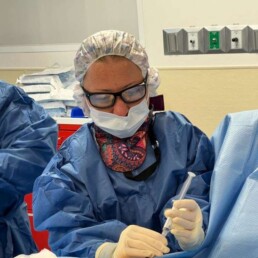
A lumbar discectomy is a minimally invasive surgical procedure that usually lasts around one hour. You will receive a local anesthetic to ensure that you do not experience any discomfort during the procedure. A healthcare provider will monitor your vital signs such as blood pressure and heart rate throughout the procedure. Your surgeon will create a small incision at the level of the affected disc on your back and use a special X-ray ensuring the correct placement. This is followed by a wire into the intervertebral space, then a slightly larger tube, and then a second tube. Your surgeon will then remove all but the largest tube and use small instruments including a camera and light through the tube to remove the herniated portion of the disc and perform the necessary repairs. Once the procedure is complete the tools and tube are removed and a small bandage is applied to close the incision.
What Happens After A Lumbar Discectomy?
Familiarizing yourself with lumbar discectomy surgery and the recovery process can help you prepare for the procedure. Enduring low back pain and sciatica can create difficulties in daily life, and preparing for lumbar discectomy surgery can cause some nervousness. By educating yourself on the typical lumbar discectomy recovery period after the procedure you can prepare your recovery strategy and put your mind at ease. Remember that everyone's healing process is unique and that general guidelines provide a framework of what to expect.
The lumbar discectomy recovery timeline begins in the hospital and ends when you are fully healed and able to return to your normal active lifestyle. We take the time to answer any inquiries you have about your lumbar discectomy recovery time and make sure you feel confident with the treatment. After the surgery, you will wake up in the recovery area where your blood pressure, respiration and heart rate will be monitored. Pain management will also be provided. You can start with gentle movements such as sitting in a chair or walking. Most patients are discharged on the same day, while others may be released from the hospital within 1 to 2 days.
Pain Doctors specialize in providing personalized, state-of-the-art treatment for patients suffering from a variety of pain conditions. Our ultimate goal is to facilitate rapid progress towards rehabilitation, enabling patients to return to work, daily activities, and movement with minimal discomfort and a pain-free life. To learn more call 718-682-3686.

A Knee Injection Could Be The Solution To Your Knee Pain
PRP injections are a common and effective treatment for knee pain which have been proven to give patients with knee pain relief and rejuvenation. The wear and tear of cartilage is a major contributor to joint issues, including osteoarthritis, a prevalent knee disorder causing pain and limited mobility in the knee and surrounding joints and structures. This condition is projected to rise in the next decade, driven by the increasing obesity rate and aging population. If you are dealing with this issue, a knee osteoarthritis doctor injection may be the answer to your pain concerns.
Expert pain specialists recommend knee injections for a wide variety of painful conditions, such as:
- Knee osteoarthritis
- Knee sprains
- Patellofemoral pain syndrome
- Iliotibial band syndrome
- Knee tendonitis
- Meniscus tears
- Patellar tendonitis
- Knee arthritis
- Spondyloarthropathy
- Rheumatoid arthritis
- Knee bursitis
- Ligament tears
Is Regenerative Therapy For Knees A Good Option For Me?
Consider Platelet-Rich Plasma (PRP) Therapy if you suffer from persistent knee pain. PRP regenerative therapy stimulates tissue regeneration, reduces pain, and treats injuries without medication or surgery. With her expertise in Physical Medicine and Rehab/Interventional Pain Management in NYC, Dr. Ilana Etelzon creates customized plans tailored to each patient's needs. Living a healthy, pain-free life is possible despite knee osteoporosis and other knee injuries.
Find out if PRP Regenerative Treatment is right for you today by contacting one of our centers:
Brooklyn Office | 718.682.3686
Spring Valley Office | 844.373.2772
Newburgh Office | 844.373.2772
Clifton Office | 718.682.3686
PRP Regenerative Therapy: An Effective Treatment For Knee Osteoporosis
Several studies suggest that regenerative therapy for knees can alleviate their pain and enhance functionality in individuals with knee osteoarthritis. The duration of the benefits from regenerative therapy for the knees can differ with some people experiencing long-term relief, while others may require multiple treatment sessions. It is essential to consult with our Pain Doctors specialists to understand the expected length of treatment.
Platelet-Rich Plasma (PRP) Therapy
PRP therapy is a common and effective regenerative procedure for knee pain. It involves injecting a concentrated solution of platelets into the affected joint. There are cells essential for clotting and tissue repair and this process uses a person's own cells for treatment or prevention of a medical condition. The process involves collecting a small sample of blood, separating the platelets from red blood cells using a centrifuge, and then injecting the concentrated platelets into the affected area.
A study on PRP was conducted with the purpose to assess the effectiveness and safety of Platelet-Rich Plasma (PRP) injections for patients suffering from knee osteoarthritis.* PRP is a blood product composed of a high concentration of growth factors, cytokines, and modulating factors which has displayed positive outcomes when used in treatments. 72 males and 81 females ages ranging from 40-81 received three weekly consecutive PRP injections and completed required follow ups. The results of this study showed a significant reduction in pain levels while MRI scans showed a slight improvement in cartilage thickness in the tibial and femoral plates. The study concluded that PRP injections prove to be an effective and conservative treatment option for reducing pain, enhancing quality of life, and improving function, even after 6 months of follow-up. Patients with knee osteoarthritis who received PRP intra-articular injections also showed the highest overall success compared to those who received steroids, hyaluronic acid, and placebo, as assessed at 3, 6, and 12-month follow-ups.
PRP's benefits in treating joint diseases are supported by multiple studies, with patients reporting decreased pain. For many, the treatment also leads to improved physical function. There was a statistically significant improvement for physical function of both genders. Previous studies have also observed pain reduction from PRP injections, which are believed to work by influencing mediator expression and promoting cartilage matrix synthesis.
Is Regenerative Therapy For Knees A Good Option For Me?
If you suffer from persistent knee pain, consider PRP regenerative treatment.
PRP is a treatment for promoting tissue regeneration, reducing pain, and healing injuries without the need for medication or surgery. Dr. Ilana Etelzon, a board-certified specialist in Physical Medicine and Rehab/Interventional Pain Management in NYC specializes in this treatment and works with patients to create personalized plans. Don’t let knee osteoporosis or any knee injury stop you from living a life free of pain and full of health.
Find out if PRP Regenerative Treatment is right for you today by contacting one of our centers:
Brooklyn Office | 718.682.3686
Spring Valley Office | 844.373.2772
Newburgh Office | 844.373.2772
Clifton Office | 718.682.3686
Knee Osteoporosis
In knee osteoarthritis, PRP injections are administered into the knee to enhance healing and rejuvenation. The degradation of cartilage is a key factor in various joint disorders, including osteoarthritis.. Osteoarthritis is a widespread, degenerative knee condition that affects not only the intra-articular, tibiofemoral, and patellofemoral cartilage but also the surrounding joints and structures with musculoskeletal pain and movement restriction being common symptoms. The percentage of people with this condition is expected to increase over the next 10 years due to the growing rate of obesity and of the population’s average age.
Chronic inflammation is a contributing factor in knee degeneration. When the knee is persistently swollen, it initiates the next stage of degeneration, the breakdown of structural tissues such as bones, cartilage, ligaments, and tendons. Anti-inflammatory medications and cortisone shots may be prescribed to alleviate the inflammation, but they can actually impede the healing process. Instead of relying on these medications, it's important to allow the natural healing process to occur which is where PRP treatment makes all the difference. With the ability to counteract inflammation and relieve inflammatory pain, PRP acts to change the molecular composition of the synovial fluid, which is the source of swelling, thus disrupting the cycle of inflammation. Intra-articular injections of PRP can provide a balance of pro-inflammatory and anti-inflammatory factors, improve macrophage function for clearing damaged tissue, and regulate immune responses within the knee.
*Moretti L, Maccagnano G, Coviello M, Cassano GD, Franchini A, Laneve A, Moretti B. Platelet Rich Plasma Injections for Knee Osteoarthritis Treatment: A Prospective Clinical Study. J Clin Med. 2022 May 8;11(9):2640.
Could Regenerative Therapy Relieve Back Pain? - Pain Doctors Medical
Regenerative therapy for back pain is a hot topic in the world of medicine and wellness. These treatments use the body's natural healing processes to repair damaged tissues and reduce pain. They are non-invasive, safe, and can be highly effective in relieving back pain and restoring function.
One of the most popular regenerative treatments for back pain is platelet-rich plasma (PRP) therapy. PRP therapy involves extracting a small amount of blood from the patient, separating the platelets and growth factors, and injecting them into the affected area. The platelets and growth factors stimulate the body's natural healing processes, promoting the growth of new tissue and reducing inflammation. PRP therapy has been shown to be effective in relieving lower back pain and improving mobility. Another popular regenerative treatment for back pain is tissue-derived allografts therapy. Tissue-derived allografts are tissues or cells that are donated by one individual and transplanted into another. They are used to repair damaged tissue and reduce inflammation. Tissue-derived allografts therapy involves injecting the allografts into the affected area, where they stimulate the body's natural healing processes. Tissue-derived allografts therapy has been shown to be effective in relieving back pain and improving function.
Other regenerative treatments for back pain include prolotherapy, which involves injecting a substance into the affected area to stimulate the growth of new tissue and reduce inflammation, and ultrasound-guided injection therapy, which uses ultrasound to guide the injection of medications or other substances into the affected area.
While regenerative treatments for back pain are generally safe and effective, they may not be suitable for everyone. It is important to discuss the effectiveness of these treatments with a healthcare specialist before starting any new treatment.
Regenerative therapy for back pain, such as PRP therapy and tissue-derived allografts therapy, are promising options for relieving pain and restoring function. They are non-invasive, safe, and can be highly effective in many cases. If you are considering a regenerative treatment for back pain, it is important to speak with a healthcare specialist to determine if it is right for you.
How Regenerative Medicine Is Changing The Perception of Physical Pain Treatment
Over the course of a lifetime, you may deal with back and joint pain that can disrupt certain aspects of your life. There are topicals and painkillers you can use to mitigate the pain for a short time, but these methods will only go so far. With regenerative medicine and therapy, the process utilizes the power of your own cells to address damaged or diseased tissue and organs in other areas of your body. At Pain Doctors Medical, we’re professionally trained regenerative medicine doctors in NYC that can provide you with helpful regenerative medicine for your ailment.
We’re a tight-knit team led by board-certified physician and rehab pain specialist Dr. Ilana Etelzon. Regenerative therapy often involves many different methods put into practice such as Visco supplementation, tissue-derived allografts treatments, and platelet-rich plasma among others to manage acute and chronic pain.
Regenerative medicine falls under a broad spectrum of treatment practices and may help improve the conditions of most people. Here is how regenerative therapy works and what you can expect from the overall procedure.
Does Regenerative Medicine Work For All Pain?
Regenerative medicine can help you alleviate multiple types of acute and chronic pain, reducing your reliance on painkillers. It can also help restore mobility in your joints, muscles, tendons, ligaments, and nerves without the need for an invasive replacement procedure or surgery. Early research has shown that regenerative medicine can work well for back pain, joint pain, and arthritis.
One of the most common and well-known methods of regenerative medicine is tissue-derived allografts treatment. It utilizes the most powerful regenerative cells and growth factors from your own body that are harvested in a lab beforehand. These special cells contain lots of healing properties that accelerate your body’s natural healing and repair abilities. Rebuilding and regenerating soft tissues from these stem cells may result in better pain relief and durable muscles. Platelet-rich plasma (PRP) uses a similar method that provides pain relief from your own blood cells.
Some of the conditions regenerative medicine has been used to treat include, but are not limited to, rotator cuff tears, knee conditions, spinal and back issues, and joint problems in the hip, wrist, elbows, and ankles, among many others. Depending on your current condition, we’ll work with you to find the right regenerative medicine to address your specific issue.
How Long Does It Take For Regenerative Medicine To Work?
The most important thing to know about regenerative medicine is that it takes time for it to work fully. Pain relief isn’t immediate and it can take a few months to feel the effects kick in. Treatments such as PRP and tissue-derived allografts treatment work to gradually alleviate pain and reduce inflammation over multiple sessions.
At a minimum, it may take at least a month before you start noticing the gradual effects of regenerative medicine at work. After initial treatment, we’ll work closely with you to monitor the effects and your daily symptoms for around six months or longer if needed.
What is the Success Rate of Regenerative Medicine?
The success rate and results from regenerative medicine can vary for different people. Although research is still ongoing on the efficacy of regenerative medical treatments, early results are very promising and a good number of patients have had positive experiences. For example, one clinical trial found that over 45% of patients had achieved positive results from regenerative medical treatment. Improvements can also be found in less than six months when compared to back surgery which usually involves a long recovery time.
With regenerative medicine, you’ll have access to faster, longer-term healing through a low-risk pain treatment procedure. The changes you’ll feel will be gradual and subtle and you’ll be able to live your life normally as you do.
To help better understand your current pain condition, our team at Pain Doctor NY will go through a detailed diagnosis with you to determine the success rate regenerative medicine will have on you. Afterwards, we’ll discuss the underlying issues surrounding your condition and determine the best treatment approach with Dr. Ilana Etelzon. Through a combination of these regenerative procedures, the ensuing results will be more potent and apparent as we monitor your progress toward recovery.
If you’re interested in learning more about the benefits of regenerative medicine, contact us today to book an appointment for a consultation. Work with our team now to reduce your overall pain and restore your daily function to normal levels.
Regenerative Medicine Treatments by Pain Doctors Medical
Regenerative medicine is a relatively new field, but ongoing research has discovered new ways to unlock the potential of the treatment method. The most common regenerative medicine procedures include:
- Tissue-derived allograft treatments. This is a popular regenerative therapy in which your doctor harvests stem cells, or unformed cells, from your fat, blood or bone marrow. After purification and concentration, the stem cells are injected into an injured or diseased part of your body.
- Platelet-rich plasma (PRP) injections. For this regenerative therapy, Dr. Etelzon creates platelet-rich plasma from your blood. Then she injects the concentrated mixture into the injured cartilage, tendon or whatever needs to heal.
- This is a type of regenerative therapy to treat joint and muscle pain. Your doctor injects a saline solution into the injured or degenerated joint or muscle to cause irritation. The ensuing reaction forces your immune system to react to heal the injured joint or muscle.
- Viscous Supplementation. Also referred to as viscosupplementation, this procedure introduces a gel-like component called hyaluronic acid into a joint to serve as a lubricant when osteoarthritis has worn away the pads between your bones. This is a common procedure for treating knee pain.
- Via Disc NP Allograft
At her NYC pain management practice, Dr. Etelzon uses the most suitable regenerative procedures for the best results. All these treatments are non-operative and minimally invasive.