
Peripheral Nerve Stimulation | Empowering Lives Through Pain Management
Pain, a debilitating force affecting numerous lives, has prompted the exploration of alternatives to traditional pain management. Peripheral Nerve Stimulation (PNS) has emerged as a promising solution, utilizing electrical impulses to modulate pain signals along peripheral nerves and offering relief to those enduring chronic pain. Scientific studies highlight PNS's efficacy in managing diverse pain types, spanning from acute postoperative pain to chronic conditions, showcasing its versatility.
The mechanism behind PNS involves the utilization of helically coiled electrical leads directing a current toward afferent neurons responsible for sensory innervation. By modifying nerve fibers through this process, the central processing of pain signals at the spinal cord level is disrupted, reshaping pain perception and providing targeted relief in the affected area.
Ideal candidates for PNS are individuals grappling with chronic pain, especially when conventional treatments prove insufficient. Specific pain types, such as neuropathic pain resulting from nerve damage (e.g., nerve injuries, sciatica, chronic back pain), qualify for PNS consideration. A successful trial stimulation period with a temporary PNS system becomes crucial, assessing the body's response to stimulation and indicating the potential benefits of a permanent implant.
The process of obtaining PNS involves a thorough consultation, trial period with a temporary device lasting 3 to 5 days, and, if successful, permanent implantation. The recovery time for a PNS implant varies, with most patients resuming normal activities within a few weeks post-implantation. Scientific evidence strongly supports the efficacy of implanted nerve stimulators in managing chronic pain, with studies demonstrating positive outcomes for conditions like chronic pain following amputation and in overall chronic pain management.
Dr. Ilana Etelzon, a board-certified Physical Medicine and Rehab/Interventional Pain Management Specialist, is the finest choice for pain management in New York City. She relies on her knowledge and experience to analyze your condition, diagnose the source of your pain and determine a treatment plan tailored to your needs. Schedule An Appointment Today 718.682.3686. There are multiple clinic locations in New York and one in New Jersey.


Regenerative Therapy Doctors Brooklyn: A Non-Surgical Approach to Pain Relief
Brooklyn, renowned for its cultural diversity and innovative spirit, is more than just a haven of iconic landmarks. It's also home to a groundbreaking shift in medical advancements, particularly in regenerative therapy. This innovative approach to healing is on the brink of rewriting the story of chronic pain, offering a ray of hope for those navigating discomfort. Leading this medical evolution are the distinguished specialists at Pain Doctors Medical, recognized as the premier regenerative therapy doctors in Brooklyn due to their unwavering commitment and unmatched expertise.
The allure of regenerative therapy lies in its alignment with the body's innate healing capacities. It encompasses a spectrum of procedures and treatments designed to harness and amplify these natural systems, catalyzing swifter and more comprehensive recoveries. From chronic joint issues to degenerative conditions, this approach seeks to recalibrate the body’s healing mechanisms, aiming not just to alleviate pain but to address the fundamental causes behind it.
Prolotherapy, a non-surgical procedure, involves strategically injecting a natural irritant solution into damaged ligaments or tendons. This process incites a localized inflammatory response, prompting the body to initiate its healing cascade. Over time, this response triggers tissue repair, reinforcing weakened areas and potentially reducing chronic pain.
PRP therapy, on the other hand, utilizes the patient's blood. Platelets rich in growth factors are isolated from the blood sample and then injected into the affected area. These growth factors play a crucial role in tissue repair and reducing inflammation, thereby contributing to the body's natural healing process.
Both these techniques are founded on the idea of amplifying the body's inherent capacity to heal itself. By aiding and augmenting the body's natural mechanisms, regenerative therapy not only addresses pain but targets the underlying cause, striving to rejuvenate and restore damaged tissues. This approach signifies a shift from merely managing pain to actively promoting tissue repair and overall wellness. Through these techniques, patients benefit from not only pain reduction but potentially improved functionality and quality of life, all without invasive surgical procedures.
The emerging field of regenerative therapy, particularly the advancements made by specialists in Brooklyn, signifies a progressive step toward reshaping pain management, offering hope and tangible solutions to those grappling with persistent discomfort. It's particularly effective in treating joint pain caused by injury or age-related breakdown of tissues.
Brooklyn specialists are at the forefront of using regenerative therapies, offering tailored plans tailored specifically to each patient and designed to address both the source and symptoms of pain. Regenerative approaches offer many advantages over traditional surgery procedures, including faster healing time, less invasiveness, lower risks, improved function, and decreased dependence on painkillers.
Regenerative therapy is an ever-evolving field, constantly discovering innovative techniques and applications. Brooklyn specialists are actively contributing to this growth by offering cutting-edge solutions for chronic pain management. Regenerative therapy has emerged as an alternative solution for individuals living with ongoing discomfort; using non-surgical approaches that focus on stimulating the natural healing mechanisms of their bodies, these specialists are revolutionizing pain management practices across New York.
At Pain Doctors Medical, we're at the forefront of regenerative therapy, fully dedicated to reshaping the realm of pain management in Brooklyn. Our practice embodies a commitment to excellence, offering patients access to regenerative treatments. We pave the way in this evolving field with a seamless blend of cutting-edge technology, seasoned expertise, and an unwavering focus on patient-centered care. By embracing a holistic and innovative approach, we aim to guide individuals on their unique journeys toward wellness. If you seek a comprehensive, patient-centric avenue for pain management and recovery in Brooklyn, Pain Doctors Medical stands as your trusted partner, dedicated to ushering you toward a life with reduced pain and restored vitality.

Platelet-Rich Plasma For Pain Management: A Cutting-Edge Approach to Rapid Relief and Enhanced Healing
Platelet-rich plasma (PRP) injections represent cutting-edge regenerative therapy within pain management, providing relief, faster healing, and enhanced functionality. After consulting a physician and extracting blood sample for centrifugation to isolate platelets and plasma (known as platelet-rich plasma ), patients receive injections into the affected area, which trigger their immune systems to start eliminating damaged cells while initiating the tissue repair process, resulting in immediate relief, immediate return home post-injection as well as ongoing sessions for optimal healing results.
Dr. Ilana Etelzon, an NYC pain management specialist, embraces non-operative treatments, including PRP injections for pain management, noting their significant impact on patient outcomes. She values PRP's personalized approach, using the patient's own blood to minimize risks. Patients not only experience rapid pain relief but also sustained functionality improvements. Dr. Etelzon sees PRP as a safe, effective alternative in regenerative medicine, aligning with her commitment to innovative, minimally invasive solutions for pain management.
PRP therapy boasts several key advantages that contribute to its efficacy as an approach for pain treatment, most notably its prompt relief and lack of adverse side effects, compared with more invasive therapies such as surgery or injections. Furthermore, by relying on blood from within an individual themselves as part of its therapeutic regimen and thus decreasing any chance of adverse reactions or immune system rejection during its process - PRP is an appealing choice for individuals unwilling or uncomfortable with more extensive procedures like surgeries.
PRP therapy's success can be measured through high patient satisfaction rates and solid research findings. Studies highlighting its success highlight significant pain reduction and functional improvements across various areas of the body, such as knees and lower back. PRP stands out among modern regenerative medicines by offering immediate relief, safety, and an overall outlook to enhance lives for people experiencing ligament and muscle discomfort.
Check out Benjamin Klass, MS's article on this topic
Epidural Injections For Pain | Epidural Injections For Pain Clinic NY
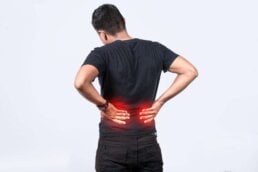
Epidural injections (spine injections) commonly known as spine injections, have emerged as a rather noteworthy medical procedure for the management of pain stemming from a variety of conditions. This particular treatment involves the insertion of medication, which could range from anesthetic to steroids, into the epidural space encircling the spinal nerves. The main aim behind these epidural injections revolves around mitigating pain or offering anesthesia to targeted regions within the body, thereby providing relief and positively influencing the quality of life for a multitude of patients.
What Are Spine Injections?
Spine injections stand as medicinal concoctions that are directly injected into the precise location responsible for inflicting pain. Through a minimally invasive procedure, individuals grappling with persistent back pain can reap the rewards of enduring pain alleviation. Statistics show that approximately 80 percent of the American populace undergoes some form of back pain at some juncture in their lives. For those in New York City, there exists an avenue for pain mitigation, especially for those plagued by back pain. The origins of spinal issues often traced back to sedentary lifestyles, improper posture, traumatic events, and the passage of time. Should you seek guidance, Dr. Ilana Etelzon, an expert in interventional pain and musculoskeletal intricacies based in NYC, stands ready to tailor a treatment regimen that squarely addresses your specific pain points.
What Are Epidural Injections?
The epicenter for these injections rests within the epidural space, a territory encompassing the spinal nerves. This method adeptly channels medication to the pain's epicenter, proving particularly effective for conditions like persistent back pain, herniated discs, spinal stenosis, and sciatica. By virtue of the medication's anti-inflammatory attributes, it becomes possible to diminish irritation and inflammation of the spinal nerve roots, which often underlie the persistence of pain.
Diverse Forms of Epidural Injections
There are many variations of epidural injections, each with a different purpose:
- Lumbar Epidural Steroid Injections (Lumbar ESI): This type of injection targets the lower back region. It involves introducing corticosteroids into the epidural expanse, an approach designed to tackle the unceasing pain resulting from irritation and inflammation of spinal nerves. For individuals contending with ailments such as herniated discs and degenerative disc disease, Lumbar ESI might offer considerable relief.
- Cervical Epidural Steroid Injections: These injections direct their focus toward the neck area, primed to address conditions afflicting the cervical spine, such as cervical radiculopathy. By quelling the inflammation besieging the afflicted nerve roots, these injections might extend a helping hand in pain relief and enhancing mobility.
- Thoracic Epidural Injections: This class of injections hones in on the mid-back region and holds less common standing in comparison to their lumbar or cervical counterparts. However, they hold the potential to alleviate pain arising from conditions that impact the thoracic spine.
The Course of Action and Its Paybacks
Preceding the injection, a thorough evaluation of the patient's medical history and imaging findings takes place, all aimed at ensuring the injection's precision and effectiveness. In the midst of the procedure, the patient is positioned optimally, and the skin enveloping the injection site undergoes a process of sterilization. Before the actual injection, a localized anesthetic takes center stage, temporarily numbing the area in question. The injection itself is orchestrated with guidance from either fluoroscopy or ultrasound, mechanisms that pave the way for pinpoint accuracy.
The Benefits of Epidural Injections
- Alleviation of Pain: A primary objective is to relieve pain, allowing patients to continue their daily routines without discomfort.
- Surgery-Free Alternative: A non-surgical alternative to surgical pain management, epidural injections reduce the need for invasive procedures.
- Minimal Recovery Period: The window for recuperation typically remains short, empowering patients to swiftly recommence their usual routines post-procedure.
- Elevated Quality of Life: By reigning in pain, these injections tangibly contribute to an enhanced quality of life, empowering individuals to dabble in physical activities and enjoy improved sleep.
The Evolution of Epidural Injections
With their finely tuned focus on relieving various spinal conditions, epidural injections have revolutionized pain management. These injections, expertly guided by cutting-edge imaging techniques, channel medication directly to the epicenter of pain, effectively chipping away at inflammation and bolstering the overall well-being of the patient. While they might not represent a permanent fix, epidural injections do pack a punch when it comes to providing substantial relief, thus enabling individuals to reclaim their mobility, reintegrate into their daily activities, and bask in a superior quality of life. For those contemplating the utilization of epidural injections as a pain alleviation strategy, a consult with Dr. Ilana Etelzon comes highly recommended. The treatment plan on offer is tailored exclusively to tackle your unique experience of pain.
Radiofrequency Ablation for Pain Relief
Radiofrequency ablation (RFA) is an innovative medical technique that has revolutionized the treatment of various conditions, from chronic pain to tumors. Utilizing radio waves to target specific tissues and nerve fibers, RFA provides effective pain relief or tumor reduction without major surgery being necessary. We will explore its intricate details here.
Understanding Radiofrequency Ablation
Radiofrequency ablation is a medical procedure that uses radio waves to produce heat and create controlled lesions in targeted tissue, often used to disrupt pain signals or destroy tumors. Due to its versatility, this approach has found use across many medical fields ranging from pain management and oncology.
RFA for Pain Management
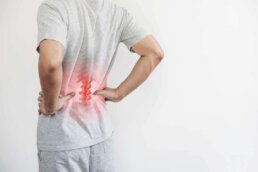
Chronic pain can severely diminish quality of life for those suffering from conditions like arthritis, spinal issues or peripheral nerve pain. Radiofrequency ablation offers a promising solution by disrupting pain signals reaching the brain via minimally invasive procedures: An electrode is inserted into an affected area and radio waves used to generate heat - disrupting pain signals long term by producing controlled thermal energy that disrupts them effectively.
Radiofrequency ablation has emerged as a highly successful treatment option for patients who have not responded well to traditional pain management approaches, with over 70% experiencing long-term relief through RFA treatments. RFA stands as an invaluable asset when treating chronic pain conditions.
Benefits and Applications
The benefits of RFA in pain management are multi-faceted. This procedure aims to not only alleviate pain but also enhance overall function, reduce the dependency on pain medications, and even avoid or delay the need for surgical intervention. Radiofrequency ablation has found success in treating various conditions, including:
- Arthritis and Joint Pain: RFA is particularly effective in treating chronic pain caused by conditions such as arthritis of the spine (spondylosis) and sacroiliac (SI) joint pain. By targeting the sensory nerves responsible for transmitting pain signals from these joints, RFA offers lasting relief and improved mobility.
- Neck and Back Pain: Individuals suffering from persistent neck and back pain, often originating from facet joints in the spine, can benefit from RFA. The procedure targets the nerves associated with these joints, interrupting the transmission of pain signals and leading to enhanced comfort and function13.
- Peripheral Nerve Pain: RFA has proven effective in managing peripheral nerve pain, offering individuals relief from discomfort arising from various areas of the body1.
- Other Joint Pain: Beyond the spine, RFA can also be used to alleviate pain in larger joints such as the knees, hips, or shoulders3.
- The Procedure and Expectations
The RFA procedure involves the insertion of specialized needles into the affected nerves. These needles deliver thermal energy or heat signals, temporarily disconnecting the nerves. While RFA doesn't address the root cause of pain, it effectively reduces the number of pain signals transmitted from the joints, resulting in notable pain relief.
Patients undergoing RFA can typically return home the same day after the procedure. The duration of pain relief varies, with some experiencing immediate relief while others may observe improvements over the following weeks2. The goal is for relief to last approximately nine to twelve months, and in some cases, even longer.
Who is a good Candidate?
Patients who have been experiencing chronic pain for more than six months and have not found relief from conservative measures like medications, physical therapy, or chiropractic care may be good candidates for RFA. Additionally, individuals who have experienced successful pain relief after a diagnostic nerve block injection are also potential candidates.
Radiofrequency ablation has revolutionized medical treatments, providing an effective yet minimally invasive solution for pain relief. With technology's advance, it seems likely that radiofrequency ablation will play an even larger role in modern medicine - providing hope and healing to countless individuals worldwide.
At her NYC pain management practice, Dr. Ilana Etelzon uses specialized spine procedures to treat many forms of pain. The experienced pain doctor uses a non-operative, minimally invasive approach to treat pain, including radiofrequency ablation and regenerative therapies.
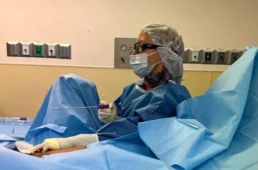
Regenerative Therapy Doctors NY | Spinal Cord Stimulator
Spinal cord stimulators work by implanting neurostimulation devices to inhibit pain sensation. Even after trying different treatment methods, if you are still experiencing chronic back pain, don't give up. Dr. Ilana Etelzon is an expert in the latest pain relief options, including spinal cord stimulation. Pain management specialists such as neurosurgeons and anesthesiologists (physicians) implant spinal cord stimulators. In order to determine whether a spinal cord stimulator is appropriate, a surgical decision must be made.
Stage 1. Temporary Trial
You must first determine whether the device reduces your pain level during a temporary trial. The purpose of an SCS trial is to determine if it will work for the type, location, and severity of your pain. Most procedures are performed in outpatient centers or in surgical suites in offices. It is recommended that you stop taking blood-thinning medications three to seven days before the trial. A local anesthetic is used to numb the lower back area. To reach the epidural space, an X-ray fluoroscopy is used to insert a hollow needle through the skin. The trial lead is inserted and placed over specific nerves. An external generator is taped over your skin, and the wires are connected to it. Generally, the procedure takes 30 minutes to complete. You will be followed up on a daily basis by a representative, and it is important to keep track of how the stimulator affects your pain, sleep, function, and the need for pain medication. The trial leads will be removed after 5 to 7 days, and you will discuss whether or not to go ahead with the implant.
Stage 2. Surgical implant
The SCS can be implanted into your body if you experienced greater than 50% improvement in pain, sleep, or function after the trial. The device is similar to a pacemaker in size and is placed under your skin during a minimally invasive procedure. You may choose to place the implant in your lower back or buttocks, depending on your comfort level. To make the procedure as comfortable as possible, anesthesia or sedation is typically administered during the two-hour implant procedure. Since you will be going home the same day, you will need someone to accompany you. Complications associated with minor surgical procedures include anesthetic risks, infection risks, poor wound healing, and pain at the surgery site. Within a few weeks or months following any procedure, these issues usually resolve on their own. Even in mild or temporary cases, complications rarely result in serious injuries or even death.
Recovery After Spinal Cord Stimulator Procedure
Implantation of the device may result in complications, including loss of pain relief, lead migration, allergy, and discomfort or pain. Complications can be resolved by reprogramming, medically treating, surgically correcting, or removing the device altogether.
The recovery process takes about four to eight weeks. Avoid lifting heavy items, twisting, bending, climbing, stretching, and any movement involving reaching over your head during this time.
You can usually swim, travel, and resume your favorite activities after your recovery period with the approval of your doctor.
Spinal cord stimulators are covered by nearly all major insurance plans, including Medicare and Medicaid. Contact us today!

Regenerative Therapy Doctors Brooklyn | Reduce Pain Causing Conditions
Brooklyn, known for its vibrant culture and historic sites, is now gaining recognition as a hub for groundbreaking medical solutions. The spotlight is on regenerative therapy, an innovative treatment that promises rejuvenation and relief from pain. At the forefront of this movement is Pain Doctors Medical, Brooklyn's top choice for regenerative care. If you're looking for a regenerative therapy doctor in Brooklyn, look no further, Pain Doctors can be the answer for you!
Regenerative medicine leverages your natural healing process to rebuild damaged tissues. In regenerative medicine procedures, your pain management doctor uses cells from your body to replace, regenerate, repair or reboot injured or aged tissues, organs or joints. Regenerative medicine is the most advanced form of treatment you can get.
Dr. Ilana Etelzon, a pain management specialist in NYC, practices non-operative or minimally invasive treatment, including regenerative therapies. She is board certified in Physical Medicine and Rehab/Interventional Pain Management. She works closely with you to develop an individualized treatment plan based on your diagnosis.
Why Choose Pain Doctors Medical? Several factors set Pain Doctors Medical apart in the realm of regenerative care:
- Exceptional Expertise: Their team isn’t just skilled; they're also dedicated to staying current with medical advancements.
- Tailored Treatments: Pain Doctors Medical crafts personalized treatments, ensuring each patient gets care suited to their unique needs.
- Cutting-Edge Technology: The clinic prides itself on utilizing the latest tools and techniques in the medical world.
Brooklyn Embraces Regenerative Therapy With benefits like minimally invasive procedures, a holistic healing approach, and lasting relief, it's no wonder people are opting for regenerative treatments. This method not only offers prompt relief but also reduces long-term dependency on medications, making it a practical and healthy choice.
In the ever-evolving landscape of medicine, regenerative therapy's potential is vast. Pain Doctors Medical, with their blend of knowledge, modern technology, and patient-first approach, is leading this medical renaissance in Brooklyn. If you're exploring comprehensive, forward-thinking pain solutions in Brooklyn, Pain Doctors Medical is your best bet.

Dorsal Root Ganglion Stimulation (DRG Stimulation): An Innovative Approach to Pain Management
Dorsal Root Ganglion Stimulation (DRG Stimulation) is an innovative medical procedure intended to ease chronic pain that has not responded to other treatments. This procedure involves implanting a small device near the dorsal root ganglion - an arrangement of nerve cells along the spinal cord - which emits electrical impulses that target nerve cells responsible for transmitting pain signals, disrupting these messages and providing relief. DRG Stimulation has shown great promise in relieving conditions like Complex Regional Pain Syndrome, chronic lower back pain, and neuropathy inguinal pain among others.
Dr. Ilana Etelzon is an expert in up-to-date pain relief options, including DRG Stimulation.
Candidates for DRG Stimulation typically include individuals who have exhausted other pain management solutions and require further relief. A comprehensive evaluation must first take place, to assess whether DRG stimulation would suit a patient based on type and severity of pain as well as their overall health status. Implanting of DRG stimulators involves minimally invasive surgery with leads placed near the dorsal root ganglion and a generator implanted under the skin; patients can adjust stimulation levels themselves for tailored therapy treatment plans.
DRG Stimulation provides many advantages, from precise pain relief and functionality enhancements to the customizability of the therapy regimen. Furthermore, unlike other pain management strategies, this one offers highly targeted relief with few side effects. Patients can regain mobility and complete daily activities more comfortably while having the option to tailor stimulation levels according to individual pain thresholds and preferences. Recovery after DRG Stimulation surgery tends to be shorter and less intensive than with traditional surgeries, with most patients returning to regular activities within several weeks of having been implanted with electrodes. DRG stimulation provides new hope to those dealing with persistent, treatment-resistant chronic pain by offering personalized and effective solutions that enhance quality-of-life enhancements.
For expert treatment of pain syndromes such as lower back pain, neck pain, pinched nerves, sciatica, and musculoskeletal disorders in New York City, call Dr. Etelzon. She’s highly trained and experienced in pain management and uses a non-operative approach to pain relief that includes minimally invasive procedures and a variety of regenerative therapies.

Pain Doctors Medical Offers Regenerative Therapy For Shoulder Pain
Shoulder pain can significantly affect our daily activities and overall well-being. While traditional remedies often involve medications, physical therapy, or even surgery, regenerative therapy is emerging as a promising alternative for those grappling with shoulder issues. Regenerative medicine represents a cutting-edge facet of healthcare, focusing on restoring or regenerating injured tissues. Approaches like platelet-rich plasma (PRP) injections and tissue-derived allograft therapies harness natural components to activate the body's innate healing processes. For those with shoulder pain, regenerative therapy offers an innovative pathway to recovery and relief.
PRP injection is an advanced regenerative therapy technique involving injecting concentrated doses of platelets - cells vital to healing processes - into an injury site to release growth factors which promote new cell and tissue formation. PRP has proven successful at relieving various musculoskeletal ailments including shoulder pain.
Tissue-derived allografts therapy involves the injection of allografts, cells that can differentiate into various cell types. These allografts can stimulate the regeneration of damaged tissues, thus promoting healing in the shoulder. Adult tissue-derived allografts, which can be harvested from various tissues in the body, can differentiate into specific cell types found in the tissues they originate from.
PRP Injections: PRP injections stimulate the body's natural healing processes through the administration of a concentrated dose of platelets into the injured area. These platelets release growth factors that promote the production of new cells and tissues.
Tissue-derived Allografts Therapy: Tissue-derived allografts therapy involves the injection of allografts, capable of differentiating into various cell types, to stimulate the regeneration of damaged tissues and promote healing in the shoulder.
Other Treatments: There are other regenerative medicine options one can consider, besides PRP injections and tissue-derived allografts therapy, for example, Prolotherapy, which involves the injection of a solution to stimulate collagen production and repair damaged tissue, and Regenerative Injection Therapy (RIT), a method that injects a mixture of natural substances to stimulate the body's healing process.
While these treatments often are not reimbursed by insurance companies yet, regenerative therapies offer multiple benefits over conventional medicine and promotes your body’s natural healing. Some benefits of regenerative medicine include:
- Reduced downtime after treatment
- Surgery not necessary
- A low-risk pain treatment procedure
- Faster, long-term healing
- No need for anesthesia or sedation
- Treatment of a wide range of conditions
- Prevention against addiction to pain medications
- Limited side effects
Regenerative therapy's efficacy depends on several factors including treatment protocol, severity of injury or condition and individual patient biology. Some may feel relief within days while for others it could take several weeks or months before reaping full rewards of their treatments - your timeline will depend entirely on you and any treatments prescribed by healthcare practitioners.
Dr. Ilana Etelzon, a pain management specialist based in NYC, is a leading expert in the field of regenerative therapy. Board-certified in Physical Medicine and Rehab/Interventional Pain Management, she specializes in non-operative or minimally invasive treatment methods, such as regenerative therapies. Dr. Etelzon will work closely with you to devise an individualized treatment plan based on your diagnosis.
Pain Relief Doctor Brooklyn | Navigating Chronic Spinal Pain
As the body's central support structure, it is no secret how important a healthy spine is to a healthy and functioning human. The importance of the spine, however, is equally matched by its function in connecting the brain to the rest of the body, allowing us to control our movement and innervating muscles from the top of our heads to the bottom of our feet. However, due to the nature of our physiology, the spine tends to be a common source of pain and injury. And as a result of its major role in our everyday function, pain stemming from the spine has the potential to be debilitating, mitigating many aspects of movement and preventing us from living life to its fullest.
When presented with symptoms stemming from the spinal cord, physicians employ a bevy of treatments to battle the pain. This can range from prescribing pain medications, performing minimally invasive procedures such as epidural steroid injections, all the way to major surgeries such as a spinal fusion or laminectomy. Oftentimes, however, patients don’t find conservative treatments to be of much help, and are weary of going under the knife for one of the aforementioned surgeries. It is in circumstances such as these in which the Spinal Cord Stimulator becomes such an effective tool.
The Spinal Cord stimulator is a small device, much like a pacemaker, that is surgically placed under the skin and delivers electrical pulses to the spinal cord. Thin wires carry current from a pulse generator to nerve fibers of the spinal cord. The impulses that are sent compete with the body's pain signals and as a result, mask the pain radiating from the spine before they reach the brain by blocking or modifying them. In short, the stimulator prevents the brain from receiving pain signals originating from the spine. This proves especially advantageous in patients who suffer from chronic leg or arm pain, failed back surgery syndrome, non-surgical refractory back pain, complex regional pain syndrome, arachnoiditis, or painful diabetic neuropathy.
The procedure itself consists of a two-step process performed by doctors and surgeons who specialize in pain management. First, a temporary trial is observed. Similar to a test drive of sorts, the stimulator is externally applied and left for 5 to 7 days, allowing both the provider and patient to gauge the effectiveness of the spinal cord stimulator in their particular case. Should the trial prove successful, a designation which in this case represents at least a 50% improvement in pain, sleep, and function, patients can move onto the second stage of the process: the actual implantation of the device within the body. In this minimally invasive procedure, the stimulator is implanted under the skin in the lower back or buttocks area. The procedure takes up to two hours and is performed with anesthesia or sedation, allowing for a comfortable and minimally painful process that allows the patient to go home the same day. After the procedure is complete and the stimulator is implanted, a typical recovery period lasts roughly 4-8 weeks during which patients can engage in light activity while striving to avoid any strenuous physical movements.
As a device that has been established as a staple of chronic pain management over the past 30 years, the spinal cord stimulator continues to grow in prevalence with upwards of 30,000 people annually electing to undergo surgery to have it implanted. And the data only strengthens its case, with studies showing long term relief in 50-80% of patients who suffered from chronic pain, coupled with an impressive reported average of 76% pain reduction. The spinal cord stimulator is a tool that has allowed countless patients to return to the activities they love, and in the process has become a part of the backbone of modern pain management. With the device now more easily accessible than ever, it is certainly worth considering for a large part of the population who was previously in the dark about its brilliance.
Written By: Ben Klass