
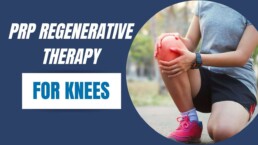
PRP Regenerative Therapy: An Effective Treatment For Knee Osteoporosis
Several studies suggest that regenerative therapy for knees can alleviate their pain and enhance functionality in individuals with knee osteoarthritis. The duration of the benefits from regenerative therapy for the knees can differ with some people experiencing long-term relief, while others may require multiple treatment sessions. It is essential to consult with our Pain Doctors specialists to understand the expected length of treatment.
Platelet-Rich Plasma (PRP) Therapy
PRP therapy is a common and effective regenerative procedure for knee pain. It involves injecting a concentrated solution of platelets into the affected joint. There are cells essential for clotting and tissue repair and this process uses a person's own cells for treatment or prevention of a medical condition. The process involves collecting a small sample of blood, separating the platelets from red blood cells using a centrifuge, and then injecting the concentrated platelets into the affected area.
A study on PRP was conducted with the purpose to assess the effectiveness and safety of Platelet-Rich Plasma (PRP) injections for patients suffering from knee osteoarthritis.* PRP is a blood product composed of a high concentration of growth factors, cytokines, and modulating factors which has displayed positive outcomes when used in treatments. 72 males and 81 females ages ranging from 40-81 received three weekly consecutive PRP injections and completed required follow ups. The results of this study showed a significant reduction in pain levels while MRI scans showed a slight improvement in cartilage thickness in the tibial and femoral plates. The study concluded that PRP injections prove to be an effective and conservative treatment option for reducing pain, enhancing quality of life, and improving function, even after 6 months of follow-up. Patients with knee osteoarthritis who received PRP intra-articular injections also showed the highest overall success compared to those who received steroids, hyaluronic acid, and placebo, as assessed at 3, 6, and 12-month follow-ups.
PRP's benefits in treating joint diseases are supported by multiple studies, with patients reporting decreased pain. For many, the treatment also leads to improved physical function. There was a statistically significant improvement for physical function of both genders. Previous studies have also observed pain reduction from PRP injections, which are believed to work by influencing mediator expression and promoting cartilage matrix synthesis.
Is Regenerative Therapy For Knees A Good Option For Me?
If you suffer from persistent knee pain, consider PRP regenerative treatment.
PRP is a treatment for promoting tissue regeneration, reducing pain, and healing injuries without the need for medication or surgery. Dr. Ilana Etelzon, a board-certified specialist in Physical Medicine and Rehab/Interventional Pain Management in NYC specializes in this treatment and works with patients to create personalized plans. Don’t let knee osteoporosis or any knee injury stop you from living a life free of pain and full of health.
Find out if PRP Regenerative Treatment is right for you today by contacting one of our centers:
Brooklyn Office | 718.682.3686
Spring Valley Office | 844.373.2772
Newburgh Office | 844.373.2772
Clifton Office | 718.682.3686
Knee Osteoporosis
In knee osteoarthritis, PRP injections are administered into the knee to enhance healing and rejuvenation. The degradation of cartilage is a key factor in various joint disorders, including osteoarthritis.. Osteoarthritis is a widespread, degenerative knee condition that affects not only the intra-articular, tibiofemoral, and patellofemoral cartilage but also the surrounding joints and structures with musculoskeletal pain and movement restriction being common symptoms. The percentage of people with this condition is expected to increase over the next 10 years due to the growing rate of obesity and of the population’s average age.
Chronic inflammation is a contributing factor in knee degeneration. When the knee is persistently swollen, it initiates the next stage of degeneration, the breakdown of structural tissues such as bones, cartilage, ligaments, and tendons. Anti-inflammatory medications and cortisone shots may be prescribed to alleviate the inflammation, but they can actually impede the healing process. Instead of relying on these medications, it's important to allow the natural healing process to occur which is where PRP treatment makes all the difference. With the ability to counteract inflammation and relieve inflammatory pain, PRP acts to change the molecular composition of the synovial fluid, which is the source of swelling, thus disrupting the cycle of inflammation. Intra-articular injections of PRP can provide a balance of pro-inflammatory and anti-inflammatory factors, improve macrophage function for clearing damaged tissue, and regulate immune responses within the knee.
*Moretti L, Maccagnano G, Coviello M, Cassano GD, Franchini A, Laneve A, Moretti B. Platelet Rich Plasma Injections for Knee Osteoarthritis Treatment: A Prospective Clinical Study. J Clin Med. 2022 May 8;11(9):2640.

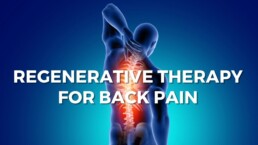
Could Regenerative Therapy Relieve Back Pain? - Pain Doctors Medical
Regenerative therapy for back pain is a hot topic in the world of medicine and wellness. These treatments use the body's natural healing processes to repair damaged tissues and reduce pain. They are non-invasive, safe, and can be highly effective in relieving back pain and restoring function.
One of the most popular regenerative treatments for back pain is platelet-rich plasma (PRP) therapy. PRP therapy involves extracting a small amount of blood from the patient, separating the platelets and growth factors, and injecting them into the affected area. The platelets and growth factors stimulate the body's natural healing processes, promoting the growth of new tissue and reducing inflammation. PRP therapy has been shown to be effective in relieving lower back pain and improving mobility. Another popular regenerative treatment for back pain is tissue-derived allografts therapy. Tissue-derived allografts are tissues or cells that are donated by one individual and transplanted into another. They are used to repair damaged tissue and reduce inflammation. Tissue-derived allografts therapy involves injecting the allografts into the affected area, where they stimulate the body's natural healing processes. Tissue-derived allografts therapy has been shown to be effective in relieving back pain and improving function.
Other regenerative treatments for back pain include prolotherapy, which involves injecting a substance into the affected area to stimulate the growth of new tissue and reduce inflammation, and ultrasound-guided injection therapy, which uses ultrasound to guide the injection of medications or other substances into the affected area.
While regenerative treatments for back pain are generally safe and effective, they may not be suitable for everyone. It is important to discuss the effectiveness of these treatments with a healthcare specialist before starting any new treatment.
Regenerative therapy for back pain, such as PRP therapy and tissue-derived allografts therapy, are promising options for relieving pain and restoring function. They are non-invasive, safe, and can be highly effective in many cases. If you are considering a regenerative treatment for back pain, it is important to speak with a healthcare specialist to determine if it is right for you.
How Regenerative Medicine Is Changing The Perception of Physical Pain Treatment
Over the course of a lifetime, you may deal with back and joint pain that can disrupt certain aspects of your life. There are topicals and painkillers you can use to mitigate the pain for a short time, but these methods will only go so far. With regenerative medicine and therapy, the process utilizes the power of your own cells to address damaged or diseased tissue and organs in other areas of your body. At Pain Doctors Medical, we’re professionally trained regenerative medicine doctors in NYC that can provide you with helpful regenerative medicine for your ailment.
We’re a tight-knit team led by board-certified physician and rehab pain specialist Dr. Ilana Etelzon. Regenerative therapy often involves many different methods put into practice such as Visco supplementation, tissue-derived allografts treatments, and platelet-rich plasma among others to manage acute and chronic pain.
Regenerative medicine falls under a broad spectrum of treatment practices and may help improve the conditions of most people. Here is how regenerative therapy works and what you can expect from the overall procedure.
Does Regenerative Medicine Work For All Pain?
Regenerative medicine can help you alleviate multiple types of acute and chronic pain, reducing your reliance on painkillers. It can also help restore mobility in your joints, muscles, tendons, ligaments, and nerves without the need for an invasive replacement procedure or surgery. Early research has shown that regenerative medicine can work well for back pain, joint pain, and arthritis.
One of the most common and well-known methods of regenerative medicine is tissue-derived allografts treatment. It utilizes the most powerful regenerative cells and growth factors from your own body that are harvested in a lab beforehand. These special cells contain lots of healing properties that accelerate your body’s natural healing and repair abilities. Rebuilding and regenerating soft tissues from these stem cells may result in better pain relief and durable muscles. Platelet-rich plasma (PRP) uses a similar method that provides pain relief from your own blood cells.
Some of the conditions regenerative medicine has been used to treat include, but are not limited to, rotator cuff tears, knee conditions, spinal and back issues, and joint problems in the hip, wrist, elbows, and ankles, among many others. Depending on your current condition, we’ll work with you to find the right regenerative medicine to address your specific issue.
How Long Does It Take For Regenerative Medicine To Work?
The most important thing to know about regenerative medicine is that it takes time for it to work fully. Pain relief isn’t immediate and it can take a few months to feel the effects kick in. Treatments such as PRP and tissue-derived allografts treatment work to gradually alleviate pain and reduce inflammation over multiple sessions.
At a minimum, it may take at least a month before you start noticing the gradual effects of regenerative medicine at work. After initial treatment, we’ll work closely with you to monitor the effects and your daily symptoms for around six months or longer if needed.
What is the Success Rate of Regenerative Medicine?
The success rate and results from regenerative medicine can vary for different people. Although research is still ongoing on the efficacy of regenerative medical treatments, early results are very promising and a good number of patients have had positive experiences. For example, one clinical trial found that over 45% of patients had achieved positive results from regenerative medical treatment. Improvements can also be found in less than six months when compared to back surgery which usually involves a long recovery time.
With regenerative medicine, you’ll have access to faster, longer-term healing through a low-risk pain treatment procedure. The changes you’ll feel will be gradual and subtle and you’ll be able to live your life normally as you do.
To help better understand your current pain condition, our team at Pain Doctor NY will go through a detailed diagnosis with you to determine the success rate regenerative medicine will have on you. Afterwards, we’ll discuss the underlying issues surrounding your condition and determine the best treatment approach with Dr. Ilana Etelzon. Through a combination of these regenerative procedures, the ensuing results will be more potent and apparent as we monitor your progress toward recovery.
If you’re interested in learning more about the benefits of regenerative medicine, contact us today to book an appointment for a consultation. Work with our team now to reduce your overall pain and restore your daily function to normal levels.
Regenerative Medicine Treatments by Pain Doctors Medical
Regenerative medicine is a relatively new field, but ongoing research has discovered new ways to unlock the potential of the treatment method. The most common regenerative medicine procedures include:
- Tissue-derived allograft treatments. This is a popular regenerative therapy in which your doctor harvests stem cells, or unformed cells, from your fat, blood or bone marrow. After purification and concentration, the stem cells are injected into an injured or diseased part of your body.
- Platelet-rich plasma (PRP) injections. For this regenerative therapy, Dr. Etelzon creates platelet-rich plasma from your blood. Then she injects the concentrated mixture into the injured cartilage, tendon or whatever needs to heal.
- This is a type of regenerative therapy to treat joint and muscle pain. Your doctor injects a saline solution into the injured or degenerated joint or muscle to cause irritation. The ensuing reaction forces your immune system to react to heal the injured joint or muscle.
- Viscous Supplementation. Also referred to as viscosupplementation, this procedure introduces a gel-like component called hyaluronic acid into a joint to serve as a lubricant when osteoarthritis has worn away the pads between your bones. This is a common procedure for treating knee pain.
- Via Disc NP Allograft
At her NYC pain management practice, Dr. Etelzon uses the most suitable regenerative procedures for the best results. All these treatments are non-operative and minimally invasive.

Regenerative Medicine For Pain Relief
The goal of regenerative medicine, also called cellular therapy, is to promote your body's natural ability to heal damaged tissues. In regenerative medicine, your pain management doctor uses your body's cells to replace, regenerate, repair or reboot injured or aged tissues, organs or joints. Regenerative medicine is the most advanced form of treatment you can get.
A variety of growth factors may be used, including those from your own blood, broth factors, or bone marrow aspirate, to promote the natural healing process. In order to accomplish this, your doctor takes bone marrow or other healthy tissues from one part of your body and transplants them into the diseased, degenerated, or injured part. Using this procedure, damaged tissue is rebuilt, pain is relieved, and injuries are healed without the need for medication or surgery.
REGENERATIVE MEDICINE PROCEDURES: WHAT ARE EXAMPLES?
Research continues to uncover new ways to unlock the potential of regenerative medicine. The most common regenerative medicine procedures include:
-
Stem cell treatments. This is a popular regenerative therapy in which your doctor harvests stem cells, or unformed cells, from your fat, blood or bone marrow. After purification and concentration, the stem cells are injected into an injured or diseased part of your body.
-
Platelet-rich plasma (PRP) injections. For this regenerative therapy, Dr. Etelzon creates platelet-rich plasma from your blood. Then she injects the concentrated mixture into the injured cartilage, tendon or whatever needs to heal.
-
This is a type of regenerative therapy to treat joint and muscle pain. Your doctor injects a saline solution into the injured or degenerated joint or muscle to cause irritation. The ensuing reaction forces your immune system to react to heal the injured joint or muscle.
-
Viscous Supplementation. Also referred to as viscosupplementation, this procedure introduces a gel-like component called hyaluronic acid into a joint to serve as a lubricant when osteoarthritis has worn away the pads between your bones. This is a common procedure for treating knee pain.
-
Via Disc NP Allograft
Dr. Etelzon uses the most suitable regenerative procedures in her NYC pain management practice. All these treatments are non-operative and minimally invasive.
Regenerative medicine vs Surgical Treatments for Pain Relief in NY
Regenerative medicine, such as Platelet-Rich Plasma injections for arthritis, has shown remarkable promise as an alternative to surgery for arthritis patients. As a result of changing the environment within an arthritic joint or injured tissue, the body can heal itself and reduce inflammation on a long-term basis.
There are other options we will review together with you depending on the specific condition, for example with osteoarthritis level of pain experienced differs for each stage (condition) — with 1 being minor discomfort and four being severe pain. Exercising on your own and changing your diet, as well as integrating physical therapy early may be enough to relieve your symptoms if they are not advanced. If you have attempted these approaches for finding pain relief and your symptoms do not abate, you should consult your doctor about knee injections.
Surgical options are the last priority and are suggested only after ruling out all other non-surgical and regenerative treatment options.
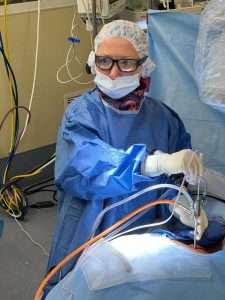
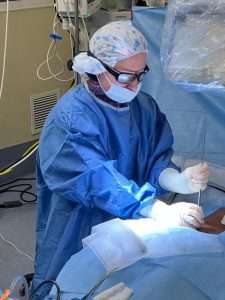
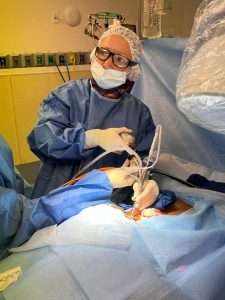
Regenerative medicine, also known as cellular therapy, leverages your natural healing process to rebuild damaged tissues. In regenerative medicine procedures, your pain management doctor uses cells from your body to replace, regenerate, repair or reboot injured or aged tissues, organs or joints. Regenerative medicine is the most advanced form of treatment you can get.
The process may rely on growth factors from your own blood, exogenous broth factors or bone marrow aspirate to promote the natural healing process. To accomplish this, your doctor takes bone marrow or other healthy tissues from one part of your body and delivers it into the diseased, degenerated or injured part. The procedure rebuilds damaged tissue, relieves pain and heals injuries without use of medication or surgery.
Dr. Ilana Etelzon, a pain management specialist in NYC, practices non-operative or minimally invasive treatment, including regenerative therapies. She is board certified in Physical Medicine and Rehab/Interventional Pain Management. She works closely with you to develop an individualized treatment plan based on your diagnosis.

Vitamin Drop IV Treatment | Brooklyn & Spring Valley NY
Vitamin drop IV treatments are being offered at our Brooklyn and Spring Valley locations. Call to book your appointment.
Brooklyn Office
35 West End Ave PH1,
Brooklyn New York 11235 | Directions
Phone | 718.682.3686
Spring Valley Office
17 Perlman Dr. #201
Spring Valley New York 10977 | Directions
Phone | 844.373.277

Managing Your Chronic Pain: How A Specialized Pain Doctor Can Provide Helpful Relief
Everybody deals with pain at some point in their life on a daily basis. It can upend parts of your life or disrupt your daily routines with the favorite things you do. While many people often deal with acute pain that goes away with some minimal treatment, others have to deal with more persistent chronic pain in their lives. Chronic pain can cause more physical discomfort and affect your quality of life, but there are specialists who can provide the much-needed relief you need.
At Pain Doctors Medical, board-certified physician Dr. Ilana Etelzon and her team will help you receive compassionate professional pain management care of the highest quality. We offer a unique approach to relieving each of our patient’s pain conditions and utilize interventional techniques to restore function in the body, with minimal use of medications or painkillers.
If you’re experiencing significant pain on a regular basis, get in touch with us today so that we can start a detailed diagnosis and find the root of your pain condition before offering a solution. Doctors specializing in pain are a unique type of medical professional and we will explain how they can provide assistance for any pain you’re dealing with.
When Should I Visit A Doctor For Pain?
As soon as possible if the pain is really severe and persistent. It can be tricky sometimes to determine whether your pain is serious or not, but if it’s consistent over a long period of time, a doctor’s visit is recommended.
One of the best ways to keep track of your pain and when you should visit a doctor is by keeping a pain journal. It tracks how much pain you feel on a given day and provides your doctors better context and communication for your condition. You can also note how often the pain affects you and how it interferes with normal activities such as sleeping, working, or participating in activities. Writing a journal can help you see what may improve your pain (e.g. prayer, meditation, massage, light stretches) or make it worse (e.g. stress, lack of sleep, poor diet, etc).
Rate your pain on a 0-10 scale in the journal and it can help your doctor spot any recurring patterns for your condition. From 1-3, it can be nagging pain that isn’t much and goes away on its own. From 7-10, this can mean that the pain is so severe that it’s hampering your daily activities.
Having a detailed journal will help your doctor immensely in finding the right pain management solution for you. Rather than provide short-term fixes for pain, specialized pain doctors want to help you find long-term relief.
What Is The Difference Between A Pain Management Doctor And A Pain Medicine Doctor?
A pain management doctor is a specialized medical professional who evaluates your pain and helps treat a wide range of issues related to it. Chronic pain ailments can be relieved through advancements in medicine and science. As such, pain management specialists will often adopt unique solutions for each of their patients. This can be done by using modern tools and medicine to lower the intensity of the pain, diagnose the root cause, and offer long-term solutions that you can use as part of your lifestyle.
On the other hand, a pain medicine doctor is someone who just treats sudden pain problems such as headaches and some types of chronic pain like lower back pain. While their roles are similar to a pain management doctor, pain medicine doctors typically offer a mix of medication-based treatments and procedures to stop any onset of pain. Their assistance is usually short-term and just provides your pain with a quick fix. While these doctors have their uses, a pain management doctor can greatly assist in mitigating any chronic pain you’re dealing with.
Management strategies should be employed when trying to control and relieve any chronic pain. Using painkillers can only do so much temporarily that you’ll need a viable long-term solution to managing your recurring pain.
How Can I Manage My Chronic Pain?
Chronic pain can be managed in a variety of ways and there is no single solution because everyone’s body is different. It may involve multiple disciplines and diverse treatments that can be used to improve the patient’s lifestyle, physical function, and mental well-being. With the right solutions and routine working with a pain management doctor, you can work towards experiencing significant pain reduction in your life.
Examples of some of the things you can do to manage chronic pain include pacing yourself, staying active, stretching, relaxing, and getting much needed sleep on a daily basis.
If you want to explore ways to mitigate any chronic pain you’ve been experiencing, contact Pain Doctors Medical at 718-682-3686 to book an appointment and speak with Dr. Etelzon today. Work with our team now to get started on managing your pain more effectively.

Osteoarthritis Knee Injections | Pain Doctors, New York (Updated 2023)
Osteoarthritis - also known as degenerative joint disease - is the most common variant of arthritis diagnosed among adults in the United States. You could think of joints like machinery; they are liable to wear out over time as they age, just like any mechanical component. Machines that have been rigorously used are likely to wear out faster, and even top of the line machines need service, maintenancing, and replacement parts as they age out and wear down. This same principle applies to our joints.
OA is more common in aging persons, and it can cause significant (and sometimes) debilitating pain. Researchers are tirelessly pursuing better treatment approaches to halt the progression of the disease. The research isn’t quite there yet, but modern approaches do exist to help alleviate some of the worst of OA’s symptoms, including medications, exercises, and even surgery.
Depending on the severity of your pain, injections are a potential treatment pathway for easing your joint pain helping to restore some of your quality of life. In many cases, we use these injections to try to reduce inflammation and pain in your joints. With certain treatments, you can potentially experience fewer symptoms for several months.
There are several potential injection options to help treat knee pain. These range from corticosteroids, which have been around for decades, to newer therapies like platelet-rich plasma (PRP). Of course, your physician will decide which one is best based on your individual needs based on your medical history, diagnosis, and current health status.
When Should You Consider a Knee Injection?
There are five stages of osteoarthritis, ranging from 0 to 4. The level of pain experienced differs for each stage — with 1 being minor discomfort and four being severe pain. Exercising on your own and changing your diet, as well as integrating physical therapy early may be enough to relieve your symptoms if they are not advanced. If you have attempted these approaches for finding pain relief and your symptoms do not abate, you should consult your doctor about knee injections.
How Often Do You Need Knee Injections?
A corticosteroid injection and hyaluronic acid injection may last a few months. Corticosteroid injections can only be administered once every three to four months. This is due to the fact that they carry a risk of breaking down your cartilage and come with other possible side effects, including high blood pressure, osteoporosis, and skin atrophy. By comparison, hyaluronic acid injections may not work for everyone, and how they’re administered varies depending on the manufacturer. You should consult your doctor to determine the risks and benefits of each injection.
How Do These Knee Osteoarthritis Injections Work?
Normal joint fluid contains a substance called hyaluronan. It acts like a shock absorber and lubricant in your joint and is needed to help the joint work properly. Hyaluronan is highly viscous, allowing the cartilage surfaces of the bones to glide upon each other smoothly. When supplemented via injection, this can assist in lessening the painful symptoms of osteoarthritis.
Schedule an Appointment at The Orthopedic Clinic Today
At Pain Doctors Medical, we want you to live your life to its fullest. If you suffer from osteoarthritis pain and it’s making your life uncomfortable, we want to hear from you. We will tailor a treatment plan that’s best suited to your needs and help get you back to doing what you love. We provide quality orthopedic care and interventional pain management services to patients in and around Brooklyn, New York.

Pain Doctors Medical - 2 Locations to best serve you!
Brooklyn Office
35 West End Ave PH1,
Brooklyn New York 11235 | Directions
Phone | 718.682.3686
Spring Valley Office
17 Perlman Dr. #201
Spring Vallery New York 10977 | Directions
Phone | 844.373.2772