

Tennis Elbow
Tennis Elbow Treatment That Finds the Root Cause
Lifting a coffee cup. Opening a jar. Gripping a racquet, a golf club, or a garden tool. Typing through a full workday. Tennis elbow turns simple grips into sharp pain on the outside of your elbow, and a brace and a shot only quiet it for a while. Dr. Ilana Etelzon finds what is keeping your tendon from healing and treats that, so you can grip, lift, and play again.
Double Board-Certified
Regenexx-Certified Provider
Ultrasound & X-Ray Guided
4 Offices in NY & NJ

Why it still hurts
Tennis elbow is a tendon that has stopped healing
Tennis elbow, or lateral epicondylitis, is pain where the forearm tendons attach to the outside of the elbow. Most people who get it never play tennis. It is most common between 40 and 60 and often follows repetitive gripping at work, at home, or in the garden. Long-lasting cases are mostly tendon breakdown, called tendinosis, with little true inflammation.
That is why cortisone often disappoints. A large review in The Lancet found that cortisone gave short-term relief for tennis elbow, then many patients did worse over the following months than with no injection at all. Lasting relief comes from helping the tendon heal and finding what keeps overloading it, such as grip habits, weak shoulder and wrist muscles, or a nerve from the neck.
Pain that keeps coming back has a reason. Finding it comes first.

The root causes
Six things that drive tennis elbow
Most stubborn elbow pain has more than one of these at work. That is why a brace and rest rarely settle it for good, and why your plan should match your own mix.
1
A worn forearm tendon
The tendon that attaches to the outside of the elbow develops small areas of breakdown that the body stops repairing.
2
A partial tendon tear
Over time, fibers of the tendon can tear, which makes the pain sharper and slower to settle.
3
Repetitive grip and wrist motion
Typing, lifting, gardening, and racquet sports load the same tendon over and over.
4
Weak shoulder and wrist muscles
When the shoulder and wrist muscles fall behind, the forearm tendon picks up the extra load.
5
A nerve from the neck
A pinched nerve in the neck can send pain to the elbow and slow tendon healing.
6
A trapped forearm nerve
The radial nerve near the elbow can get squeezed and cause an ache that looks like tennis elbow.
Step one: Reveal
How Dr. Etelzon finds what is driving your elbow pain
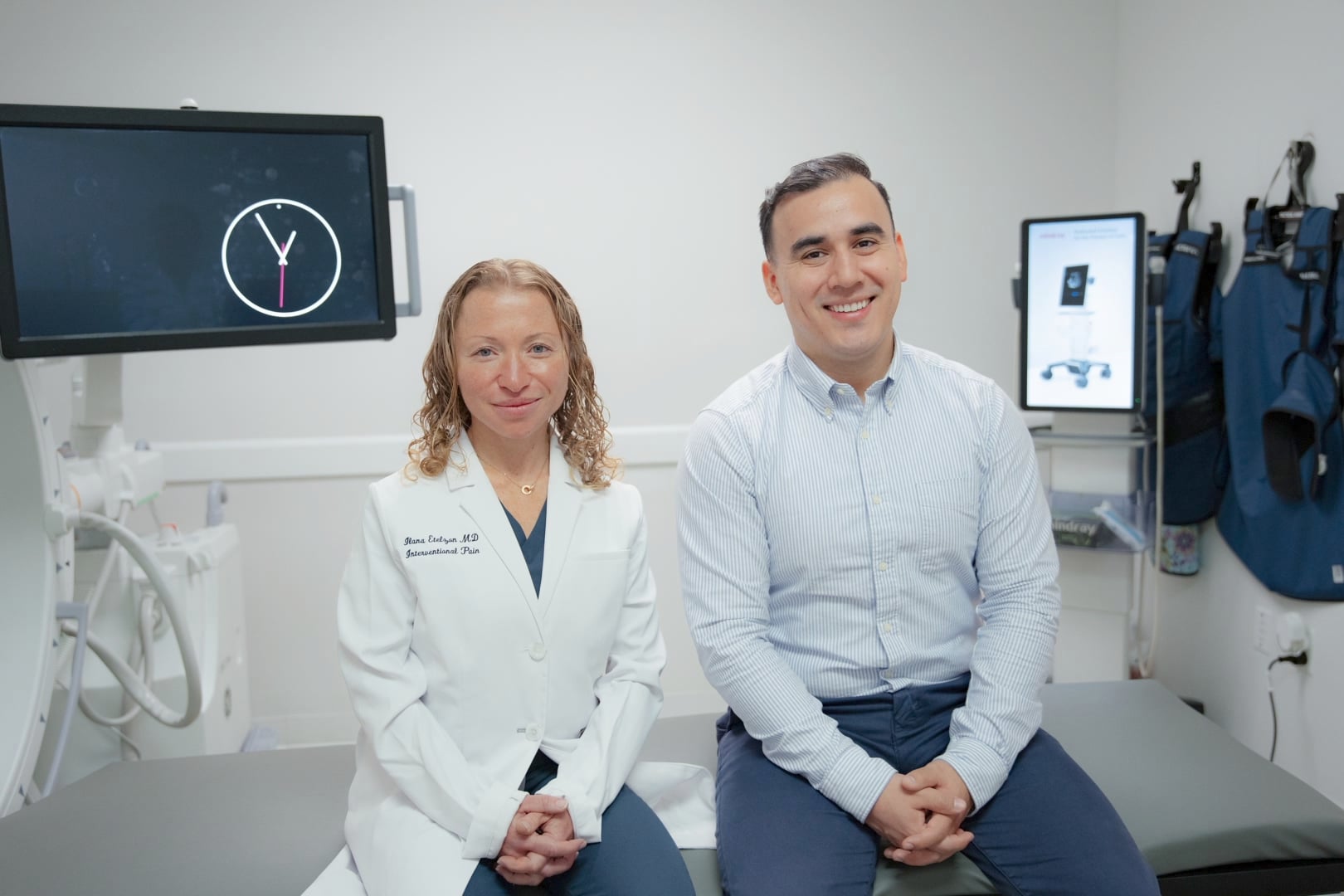
Your first visit is built around one question: what is keeping this tendon from healing? Dr. Etelzon answers it with the same careful steps every time.
- Your storyWhen it started, which grips hurt, your work and hobbies, what you have tried, and what you want to get back to.
- A hands-on examShe checks the tendon, grip strength, your shoulder and wrist, your neck, and the nerves around the elbow.
- Ultrasound in the roomIn-office ultrasound shows tendon thickening, tears, and blood flow changes in real time.
- Your imaging, read closelyShe reviews any X-rays or MRIs and matches what they show to what she finds on exam.
You leave knowing which drivers are at work in your elbow and what each part of your plan is for.
Reveal
Find every driver
Diagnose all the sources of pain before treating any of them.
Repair
Treat the tissue
Image-guided regenerative care aimed at the damaged structures.
Restore
Rebuild control
Strength and movement work so the area holds up under load.
Renew
Get back to life
Return to your activities and stay there.
Step two: Repair
Treatment matched to what is actually wrong
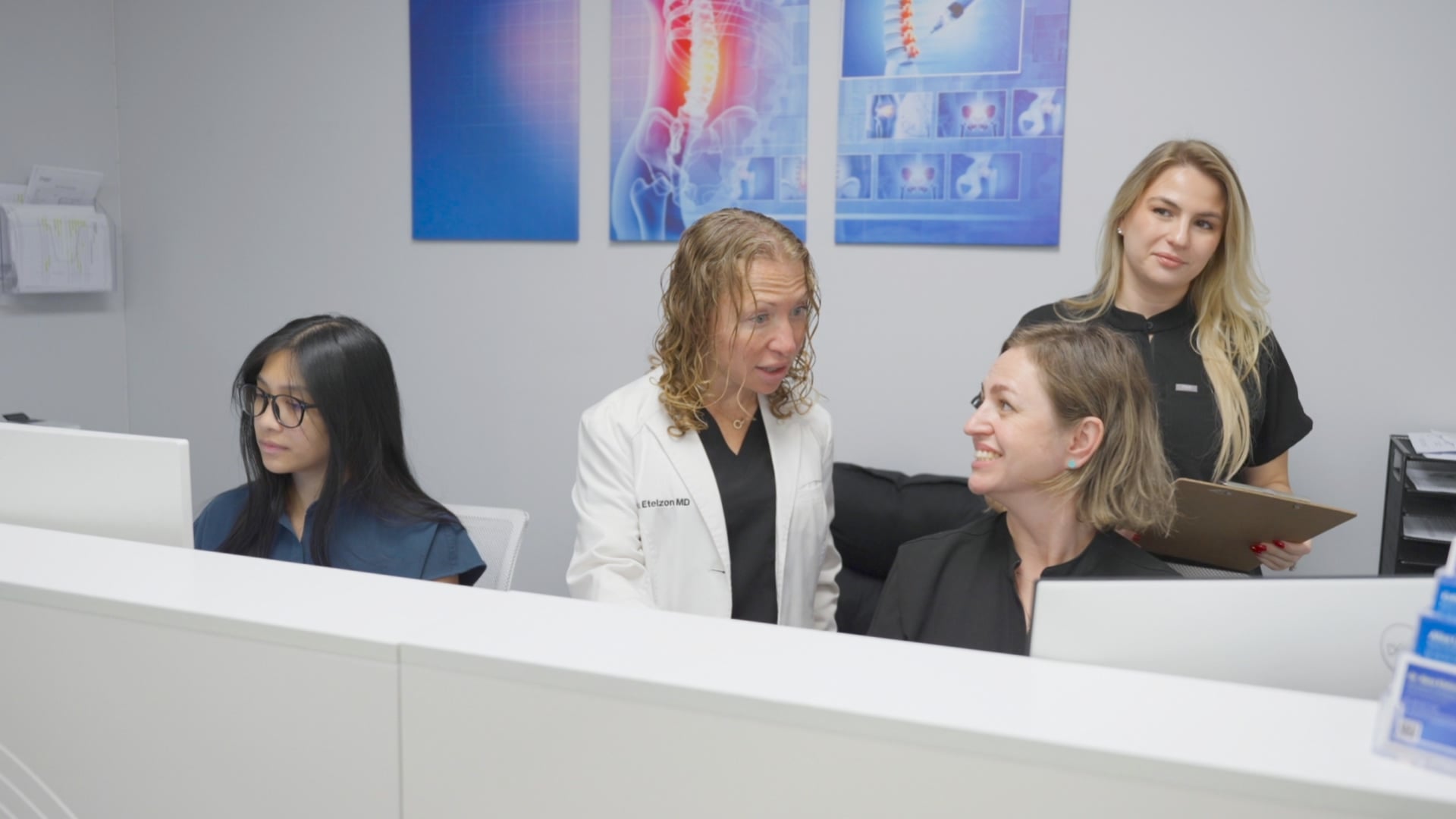
Once the drivers are clear, Dr. Etelzon chooses treatments that aim at them directly. Every injection and procedure is guided by ultrasound, so it reaches the exact damaged tendon fibers.
PRP Injections
Concentrated platelets from your own blood, placed into the damaged tendon. PRP is one of the best-studied treatments for chronic tennis elbow.
Learn about PRP injections ›Tenotomy
A minimally invasive procedure that clears out damaged tendon tissue through a tiny opening, for cases that have not responded to other care.
Learn about TenJet ›Shockwave Therapy
Acoustic waves that boost blood flow and restart healing in a stubborn tendon.
Learn about shockwave therapy ›MLS Laser Therapy
A focused laser that calms pain at the elbow. It is often paired with injections.
Learn about MLS laser therapy ›Bone Marrow Concentrate
Cells drawn from your own bone marrow, used for larger tears and tendons that need more support to repair.
Learn about stem cell injections ›Strength and Movement Plan
Forearm, wrist, and shoulder strengthening plus grip changes, so the tendon stays healthy once it heals.
See our regenerative procedures ›Where cortisone fits
Cortisone can calm a painful flare for a few weeks. For tennis elbow, research shows the pain often returns and can be worse months later, so Dr. Etelzon rarely uses it here. A trial of 230 patients in the American Journal of Sports Medicine found that PRP improved pain in chronic tennis elbow.
Every stage
What can help, from new to chronic elbow pain
Tennis elbow changes over time. How long it has lasted guides the plan, and your drivers decide it.
Under 3 months
New elbow pain
Load changes, a strength plan, and laser therapy often settle a newly irritated tendon.
3 to 12 months
Lingering elbow pain
The tendon has started to break down. PRP and shockwave aim at the damaged tissue and help it heal.
Over 12 months
Chronic elbow pain
Long-standing damage or partial tears. PRP, tenotomy, or bone marrow concentrate can help many patients avoid surgery.
An honest note. Tendons heal slowly. Most patients notice steady improvement over weeks to months, with the plan adjusted along the way.
Results
Outcomes tracked across the Regenexx network
Regenexx collects patient-reported outcomes from certified clinics across the country. Explore the live results below.
Like all medical procedures, regenerative procedures have a success and failure rate. Individual results vary.
Step four: Renew
Back to gripping, lifting, and playing
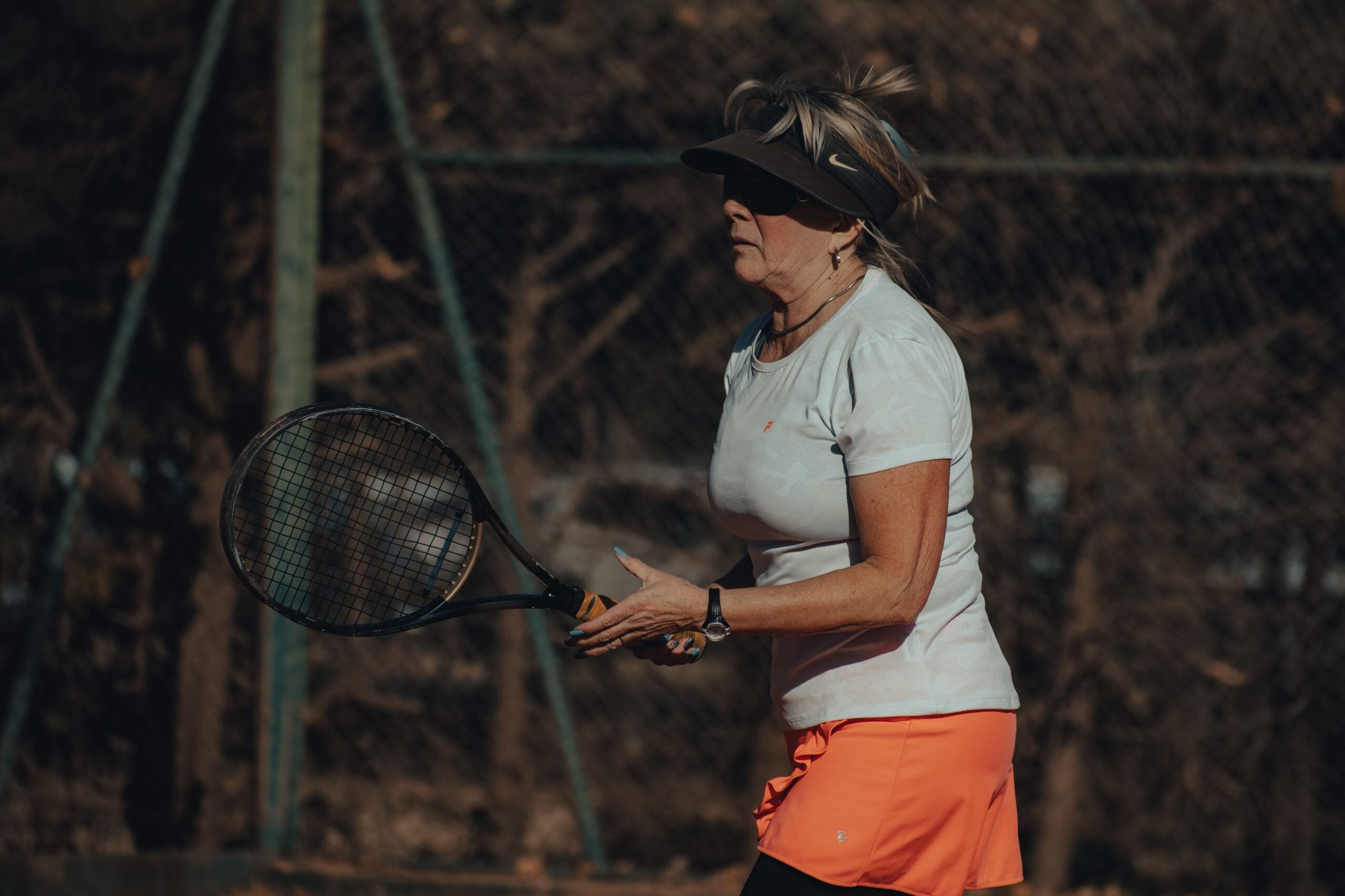
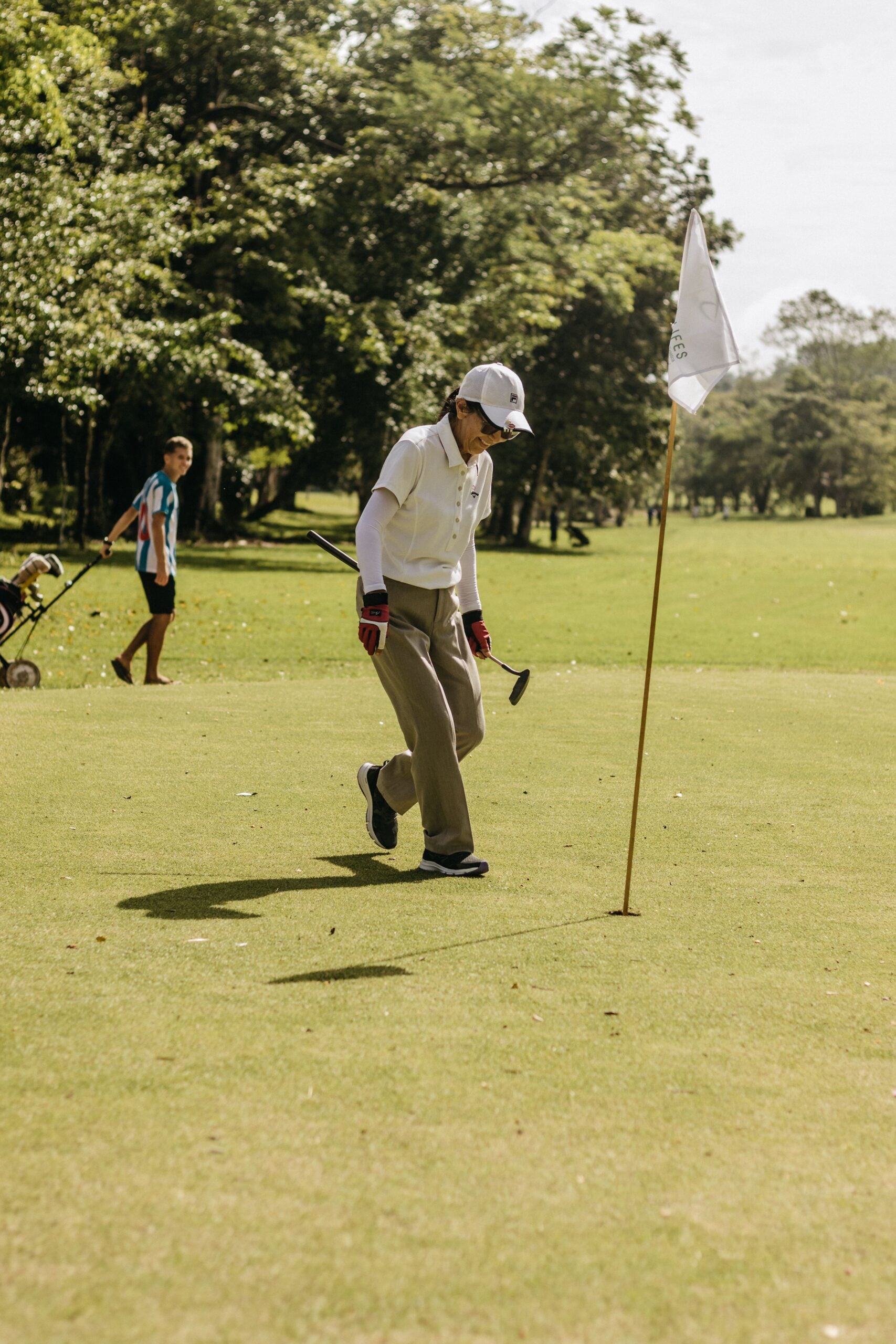
Patients come to us wanting specific things back: a full tennis match, a round of golf, an afternoon in the garden, a workday without the ache. That is what we treat toward.
Back on the court
A full swing again
Your first visit
What to expect, and what it costs
Your first visit is a consultation with Dr. Etelzon: your history, a hands-on exam, ultrasound, and a review of your imaging. Bring any elbow X-rays or MRIs you have. If treatment makes sense, you leave with a written plan and a clear price before anything is scheduled. Dr. Etelzon treats golfer's elbow, on the inside of the elbow, with the same approach.
Most regenerative procedures, including PRP and bone marrow concentrate, are not covered by insurance. Many patients use HSA or FSA funds, and monthly financing is available. See our payment and financing options.
Find us
Tennis elbow treatment across New York and New Jersey
Dr. Etelzon and her team treat elbow pain at four offices, so care is close to where you live and work.
New York
Brooklyn
2577 East 17th Street, 1st Floor Unit 18B, Brooklyn, NY 11235Brooklyn office › New JerseyClifton
1111 Paulison Ave, Unit 2, Clifton, NJ 07011Clifton office › New JerseyNewark
73-75 Ferry St, Newark, NJ 07105Newark office › New JerseyPerth Amboy
345 State St, Unit B, Perth Amboy, NJ 08861Perth Amboy office ›Call 1 (844) 959-7246 to reach any office.
Keep reading
More on elbow and tendon pain
References
- Coombes BK, Bisset L, Vicenzino B. Efficacy and safety of corticosteroid injections and other injections for management of tendinopathy: a systematic review of randomised controlled trials. The Lancet. 2010;376(9754):1751-1767.
- Mishra AK, et al. Platelet-rich plasma significantly improves clinical outcomes in patients with chronic tennis elbow: a double-blind, prospective, multicenter, controlled trial of 230 patients. American Journal of Sports Medicine. 2014;42(2):463-471.
Find out what is driving your elbow pain
One visit, a clear answer, and a plan built around your elbow and the life you want back. This is where the trying stops.