
How Much Do PRP Injections Cost? A Doctor Explains What You’re Actually Paying For
For patients researching PRP therapy, the process often raises more questions than it answers. Pricing varies widely, clinics describe the treatment differently, and it can be difficult to understand what those differences actually mean.
The reality is that not all PRP is the same. The concentration of the treatment, the technology used to deliver it, and the credentials of the provider performing it all vary significantly, and those differences have a direct impact on outcomes.
At Pain Doctors Medical, Dr. Ilana Etelzon, MD, double board-certified interventional pain physician and Regenexx core provider, breaks it down clearly: what goes into the cost of PRP, what patients should actually be evaluating, and when it represents a sound alternative to surgery or long-term medication management.
Our offices serve patients across Brooklyn, NY, and throughout northern and central New Jersey, including Clifton, Newark, and Perth Amboy.
First, What Is PRP?
PRP stands for platelet-rich plasma. It is a regenerative treatment made entirely from your own blood. Dr. Etelzon explains:
“Instead of just masking pain like a steroid or medication, PRP is designed to stimulate healing at the source: tendons, nerves, ligaments, bones, and joints. We use your own cells, which helps avoid repeated steroid injections and, for many patients, avoids surgery altogether.”
Unlike cortisone shots, which temporarily suppress inflammation, PRP works at a biological level to support actual tissue repair.
“Cortisone is turning off a fire alarm. It quiets things quickly. PRP is more like sending in a repair crew to actually fix what’s damaged.”
What Does PRP Actually Cost?
At Pain Doctors Medical, PRP treatment ranges from $4,500 to $15,000 depending on the complexity of the case, the number of areas being treated, and the condition being addressed.
Patients come to our Brooklyn, Clifton, Newark, and Perth Amboy offices with a wide range of conditions, including:
- Spine pain (cervical, thoracic, lumbar, and sacroiliac joints)
- Neuropathy and nerve injuries
- Tendon injuries and post-surgical pain
- Small and large joint injuries — knee, hip, shoulder, elbow, ankle, wrist
The range in pricing reflects the range in complexity. PRP is not a one-size-fits-all treatment, and what’s right for a knee tendon injury looks very different from a multi-level spinal case.
What Factors Affect the Price of PRP?
Several variables determine what a patient pays. Here is how Dr. Etelzon approaches it:
Number of Areas Being Treated
Our practice treats the body as a unit. Rather than isolating one painful area and ignoring contributing factors elsewhere, Dr. Etelzon evaluates the full picture. Treating multiple regions in a single session often produces better outcomes. This affects the overall cost.
PRP Concentration and Blood Volume
“Our product is highly concentrated. We always draw at least 60ml of blood to ensure we’re working with a sufficient volume of healing cells. The quality and concentration of PRP matters enormously — and that’s often where cheaper options cut corners.”
Combination Therapy
At our offices in Brooklyn, Clifton, Newark, and Perth Amboy, Dr. Etelzon frequently pairs PRP with focused shockwave therapy and robotic laser treatment to accelerate the healing response. This combination approach is designed to improve outcomes and reduce recovery time — and it factors into the total cost.
Imaging Guidance
“We use both X-ray guidance (fluoroscopy) and ultrasound to make sure the PRP is delivered exactly where it needs to go. That precision matters just as much as the quality of the PRP itself.”
Image guidance is not standard across all PRP providers. At our practice, it is. Because placement accuracy directly affects results.
Provider Credentials and Protocol
Dr. Etelzon is double board-certified in pain management and a core provider with Regenexx, a network that holds physicians to strict standards for PRP processing, concentration, and delivery. That means every patient receives a protocol built on clinical evidence, not improvisation.
Why Doesn’t Insurance Cover PRP?
“Insurance tends to cover what’s established, not necessarily what’s most advanced. PRP falls into that newer, regenerative category where the science is strong but coverage hasn’t caught up yet. Patients who choose PRP are making a deliberate investment in a treatment aimed at long-term improvement, not just short-term relief.”
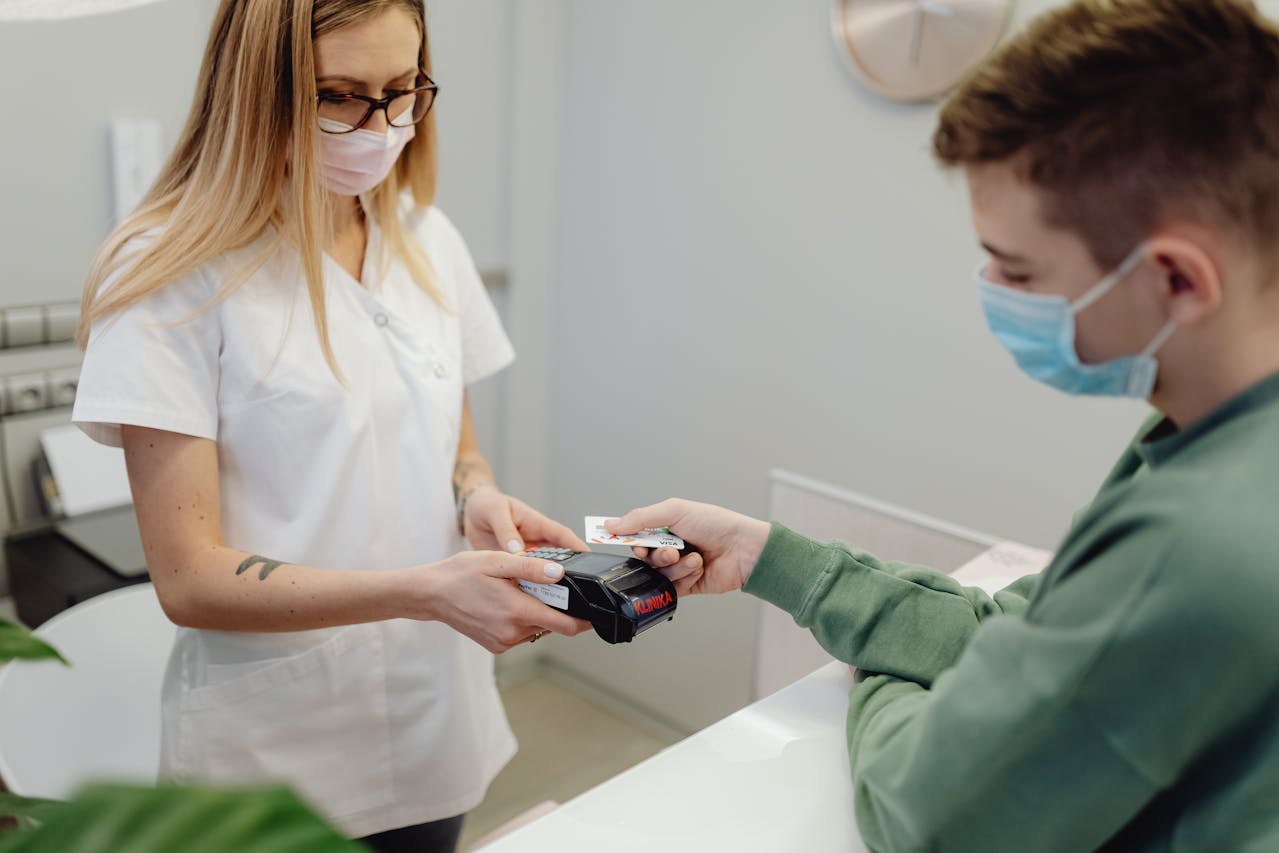
For patients managing out-of-pocket costs, our practice offers financing through CareCredit, allowing patients at all four of our locations to spread the investment into manageable monthly payments without delaying care.
How Does PRP Cost Compare to Surgery or Long-Term Medications?
It is tempting to compare PRP to a $30 prescription copay. But that is not the right comparison. The more honest comparison is the cumulative cost of a path that never actually resolves the problem.
Dr. Etelzon walks patients through what that often looks like:
- Repeated cortisone injections over months or years
- Ongoing prescription medications with side effects and refill costs
- Missed work and lost productivity during extended treatment
- Surgery, which can cost tens of thousands of dollars out of pocket
- Months of post-surgical rehabilitation and downtime
“If your goal is to avoid surgery and not rely on medications long-term, PRP is a reasonable path to consider. For the right patient, it can interrupt that cycle entirely.”
Many patients who come to us in Brooklyn, Clifton, Newark, and Perth Amboy have already been through that cycle. PRP is often the first treatment that actually addresses the source.
How Many PRP Sessions Will I Need?
Most patients at our practice start with a single session — and that is by design.
“Since the product we use is highly concentrated, we always recommend starting with one session. Because we’re precise about both the quality of the PRP and exactly where it’s delivered, a single treatment often accomplishes what multiple lower-quality injections cannot.”
Whether additional sessions are recommended depends on the condition and how the patient responds. That conversation happens at follow-up, not before treatment begins.
Why Is PRP So Much More Expensive Than a Cortisone Shot?
This is the question Dr. Etelzon hears most often at our offices — from patients in Brooklyn, Clifton, Newark, and Perth Amboy alike.
“Cortisone is a manufactured medication that insurance covers and is designed to reduce inflammation temporarily. PRP is a customized biologic treatment made from your own blood, processed and concentrated specifically for your condition, and delivered with precision using imaging guidance. You’re not paying for a fancier cortisone shot. You’re paying for something that works through an entirely different mechanism.”
The cost of PRP reflects the personalization of the treatment, the technology used to process and deliver it, the imaging required for precise placement, and the expertise of a double board-certified specialist following evidence-based protocols.
Who Performs PRP at Pain Doctors Medical?
All PRP procedures at our practice are performed by Dr. Ilana Etelzon, MD. Dr. Etelzon has been performing regenerative medicine procedures, including PRP, for more than seven years. She is double board-certified in pain management and a core provider with Regenexx — a distinction earned by meeting strict, ongoing standards for PRP processing, concentration, and clinical protocol.
She sees patients at four locations across the New York and New Jersey metro area:
- Brooklyn, NY — serving patients from across Brooklyn and the surrounding boroughs
- Clifton, NJ — convenient for patients throughout Passaic County
- Newark, NJ — centrally located for Essex County and surrounding communities
- Perth Amboy, NJ — serving patients across Middlesex County and the surrounding area
Pricing may vary slightly by location and case complexity. Contact the office nearest to you to schedule a consultation and get a clear picture of what treatment would look like for your specific condition.
Ready to find out if PRP is right for you? Schedule a consultation with Dr. Etelzon at our Brooklyn, Clifton, Newark, or Perth Amboy office. Call 1 (844) 959-7246 or visit paindoctorsmedical.com.
Frequently Asked Questions
Is PRP covered by insurance?
PRP is not covered by most insurance plans. It is classified as a regenerative, elective procedure. Our practice offers financing through CareCredit to help patients manage the out-of-pocket costs.
How long does PRP take to work?
Results vary based on the condition and the individual. Some patients notice improvement within a few weeks. Others see gradual progress over two to three months as tissue heals and regenerates.
Is one PRP session enough?
At Pain Doctors Medical, most patients start with a single highly concentrated session. Because of the precision of both the PRP formulation and its delivery, one session is often sufficient. Additional sessions are discussed at follow-up based on the patient’s response.
What conditions does PRP treat?
Dr. Etelzon uses PRP to treat spine conditions, joint injuries, tendon damage, nerve pain, neuropathy, sacroiliac joint dysfunction, and post-surgical pain — across patients in Brooklyn, Clifton, Newark, and Perth Amboy.
Where can I get PRP injections near me?
Pain Doctors Medical offers PRP injections at four offices: Brooklyn, NY; Clifton, NJ; Newark, NJ; and Perth Amboy, NJ. Call 1 (844) 959-7246 to schedule a consultation at the location closest to you.
How do I know if I’m a good candidate for PRP?
The best way to find out is through a one-on-one consultation with Dr. Etelzon. She reviews your history, imaging, and prior treatments to determine whether PRP is an appropriate and likely effective option for your specific condition.